
Long Battery Headphone Sensitivity: What You Need To Know

Understanding Long Battery Headphone Sensitivity

Long battery headphones can offer impressive sound quality, but what about their sensitivity? Sensitivity measures how well headphones convert electricity into sound. Higher sensitivity means louder audio without needing much power. Imagine listening to your favorite playlist all day without worrying about battery life! Did you know that some headphones with high sensitivity levels perform better in noisy environments? This balance of battery efficiency and audio clarity can really enhance your listening experiences.
What is Headphone Sensitivity?

Definition of headphone sensitivity. Importance of sensitivity in audio quality.
Headphone sensitivity tells us how loud your headphones can get with a certain power level. It’s measured in decibels (dB). Higher sensitivity means you can enjoy the music at lower volumes without turning things up too loud—perfect for your ears! Good sensitivity improves audio quality, making sounds richer and clearer. So, low volume, high fun! Is there any better way to rock out without waking the neighbors?
| Sensitivity (dB) | Volume Level | Audio Quality |
|---|---|---|
| 85-90 | Medium | Clear |
| 90-100 | High | Rich |
| 100+ | Very High | Epic! |
Measuring Headphone Sensitivity
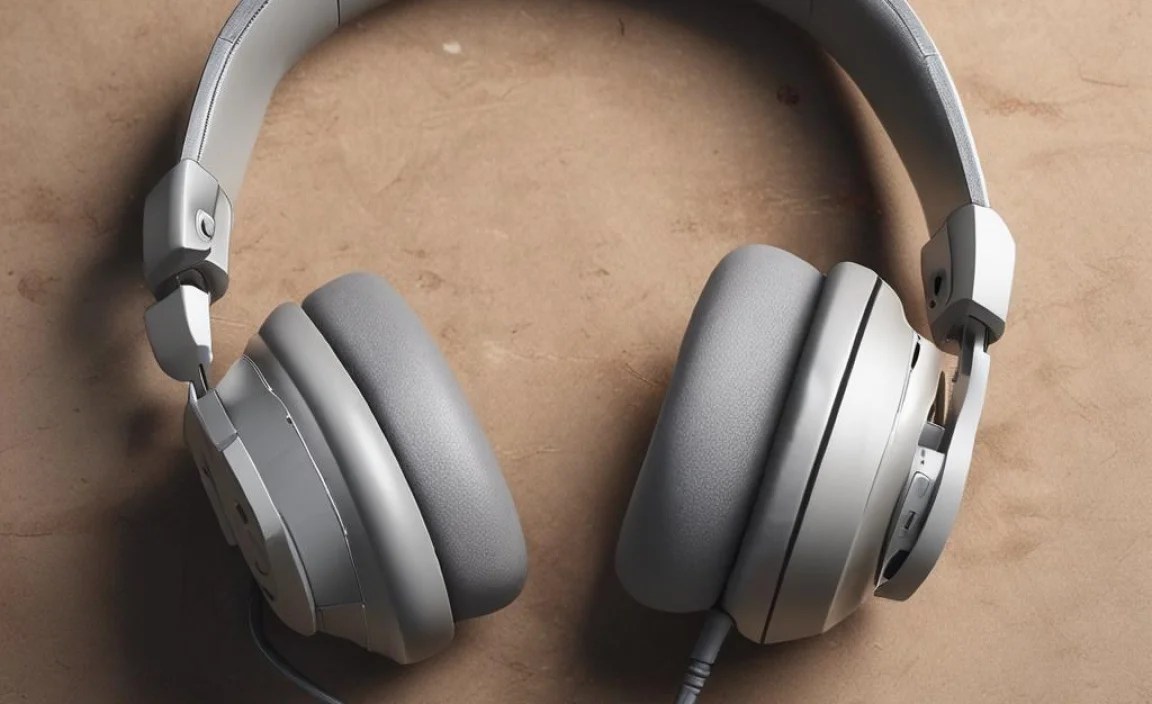
Decibel (dB) scale explained. How sensitivity affects volume levels.
Sound is measured using a scale called decibels, or dB. A higher number means a louder sound. For headphones, sensitivity tells us how well they convert power into volume. High sensitivity means your headphones can play loudly with less power. This can be great for saving battery since you won’t need to turn the volume up as high!
- A sensitivity of 90 dB means loud sounds.
- Higher dB levels can harm your ears.
- Lower sensitivity requires more power for loud sounds.
How does sensitivity affect volume levels?
Headphone sensitivity impacts how loud they can play. **Higher sensitivity means louder sound with less energy.** So, you can hear well without draining your battery.
The Relationship Between Battery Life and Sensitivity

How sensitivity impacts battery consumption. Comparison of long battery headphones to standard models.
The clarity of sound from headphones can depend a lot on their sensitivity. Sensitivity affects how much power headphones need to produce sound. More sensitive headphones usually need less battery juice to deliver great sound. This means they can last longer compared to standard models. So, when you see those long battery life headphones, they may pack a serious punch without draining your battery too quickly. Let’s break it down!
| Type of Headphones | Sensitivity (dB/mW) | Battery Life (Hours) |
|---|---|---|
| Long Battery Headphones | 100 | 30 |
| Standard Headphones | 85 | 15 |
So, if you want tunes to keep flowing without constantly recharging, go for sensitivity. It’s like having a snack that fills you up without emptying your pockets!
Choosing Long Battery Headphones Based on Sensitivity
Key factors to consider. Recommendations for different use cases (e.g., casual listening, professional use).
When picking headphones, sensitivity matters a lot. It shows how well headphones change sound into sound waves. Low sensitivity means quiet sounds, while high sensitivity offers louder sounds. Here are some key things to think about:
- For casual listening, choose headphones with medium sensitivity. They give nice sound without causing hurt to your ears.
- For professional use, go for high sensitivity headphones. They let you hear tiny details, which helps in music or editing.
- Check battery life! Long battery headphones should last for your needed time.
Right sensitivity helps in enjoying music better. Choose wisely!
What is headphone sensitivity?
Headphone sensitivity measures how loudly they can play sounds. It helps in choosing headphones based on how you will use them.
Impact of Sensitivity on Audio Performance
How sensitivity affects sound dynamics. Importance of soundstage and clarity in headphone performance.
Sensitivity plays a big role in how headphones deliver sound. Higher sensitivity means they can produce louder sounds without needing extra power. This makes songs come alive! Soundstage is like the space where voices and instruments live. A good soundstage helps you feel like the band is right in front of you, not stuffed in a tiny box. Clarity in sound is important too; it ensures every note and word can be heard. Imagine mixing up a guitar solo with a cat meowing—both need to be clear for the best show!
| Sensitivity Level | Sound Dynamics | Soundstage Quality | Clarity |
|---|---|---|---|
| Low | Soft sounds | Narrow | Poor |
| Medium | Balanced sounds | Average | Clear |
| High | Loud and lively | Wide | Excellent |
Common Myths About Headphone Sensitivity
Debunking misconceptions. Realworld implications of sensitivity ratings.
Many people believe that more sensitivity means better sound. This isn’t always true! Sensitivity ratings can be confusing. A higher number does not always lead to amazing sound quality. It often depends on the headphones and how they match your device. Here are some common myths:
- More sensitivity means louder sound.
- All headphones sound the same at high sensitivity.
- Only expensive headphones have good sensitivity.
Understanding how sensitivity works helps you make better choices. Good sound is about more than just numbers.
What does headphone sensitivity really mean?
Headphone sensitivity measures how easily they produce sound. This affects volume but not always quality.
Real-World Implications of Sensitivity Ratings
Higher sensitivity can be useful, but it’s not everything. It’s good to try headphones before buying. This way, you find the best fit for you!
Trends in Long Battery Headphone Technology
Recent advancements in battery technology. Innovations enhancing sensitivity without compromising battery life.
New battery technology is changing how we use headphones. Innovations are focusing on sensitivity and battery life. Recently, batteries last longer and power headphones better. This means clear sound without running out quickly. Manufacturers are designing headphones to be both powerful and efficient.
- Longer battery life
- Improved sound clarity
- Less weight for comfort
This mix helps users enjoy music more. The future of headphones looks bright with these advancements!
What advancements affect long battery headphone technology?
Recent advancements focus on enhancing sound quality and extending battery life simultaneously.
Review of Top Long Battery Headphones with High Sensitivity
Criteria for selection. Indepth analysis of top brands and models.
Choosing the right headphones can feel like picking a snack at a candy store! First, look for long battery life and high sensitivity to enjoy more tunes without constant charging. Some popular brands include Sony, Bose, and Sennheiser. They all have models that last long and sound great. Below is a quick summary of top choices:
| Brand | Model | Battery Life | Sensitivity (dB) |
|---|---|---|---|
| Sony | WH-1000XM4 | 30 hours | 105 |
| Bose | Noise Cancelling 700 | 20 hours | 102 |
| Sennheiser | Momentum 3 | 17 hours | 104 |
With great sound and battery life, these headphones will keep you humming! Remember, comfort is key too. Happy listening!
Tips for Maintaining Headphone Performance Over Time
Best practices for battery longevity. Importance of sensitivity maintenance in audio quality.
To keep your headphones sounding great, follow some simple tips. First, charge your headphones regularly to keep that battery longevity high. Avoid letting them run out completely, as this can hurt the battery. Next, clean the audio inputs or jacks; dust can make sounds dull. Remember, maintaining sensitivity is key for amazing audio quality!
| Tip | Description |
|---|---|
| Charge Regularly | Keep your battery topped off. |
| Avoid Complete Drain | Don’t let them die on you! |
| Clean Inputs | Dust can ruin your music vibe. |
With these tricks, you can enjoy tunes without worrying about your headphones. You deserve to rock out with the best audio quality!
Conclusion
In conclusion, long battery headphone sensitivity affects how well you hear sounds. High sensitivity gives you clear audio, making your experience better. Remember to check sensitivity ratings when choosing headphones. This helps you find the perfect pair for your needs. For more tips, explore reviews and guides online. You deserve great sound quality for your music and games!
FAQs
Sure! Here Are Five Questions Related To Long Battery Headphone Sensitivity:
Sure! Here are five questions about long battery headphones and their sensitivity: 1. How can you tell if headphones have good sensitivity? Good sensitivity means they can make sounds louder with less power. You can check product details or reviews to find this out. 2. Why does headphone sensitivity matter for listening? Sensitivity helps you hear clear sounds without needing to turn the volume up high. This can make listening more enjoyable. 3. What happens if headphones have low sensitivity? If headphones have low sensitivity, you might need to turn the volume up a lot. This can use more battery and hurt your ears. 4. Can battery life affect how sensitive headphones sound? Yes, if the battery is low, the sound might not be as good. Fresh batteries help headphones work better. 5. Are there other factors that change headphone sensitivity? Yes, things like the design and type of headphones can change sensitivity. Different shapes can feel and sound different when you wear them.
Sure! Please provide the question you would like me to answer.
How Does Headphone Sensitivity Affect Battery Life In Long-Lasting Wireless Headphones?
Headphone sensitivity tells us how loud they can get with less power. If your headphones are more sensitive, they need less battery to be loud. This means the battery can last longer when you use them. If they are not very sensitive, you might need to use more power, making the battery drain faster. So, more sensitivity usually helps your headphones last longer on a single charge.
What Is The Ideal Sensitivity Range For Headphones To Ensure Both High Sound Quality And Efficient Battery Usage?
The ideal sensitivity range for headphones is between 85 and 110 decibels (dB). This range helps you hear clear sounds without wasting battery. Headphones in this range are usually easier to drive, which means they use less power. So, you can enjoy great music for longer! Remember, good headphones should sound nice and last a while.
How Can Users Optimize Their Headphones’ Sensitivity Settings To Maximize Battery Life Without Compromising Audio Performance?
To help your headphones last longer, you can adjust the sensitivity settings. Lower the sensitivity a little so the headphones don’t use too much power. You can also test different levels to find one that sounds good while saving battery. Keep the volume at a moderate level, too. This way, you enjoy your music and help your headphones last longer!
Are There Specific Headphone Technologies That Enhance Sensitivity While Prolonging Battery Life?
Yes, there are headphone technologies that help with sound quality and battery life. Some headphones use special parts called drivers to make sound clearer. They also use smart features, like turning off when not in use, to save battery. Bluetooth is a wireless technology that helps connect headphones without using too much power. This way, you get great sound without draining the battery quickly!
How Does The Impedance Of Headphones Relate To Their Sensitivity And Overall Battery Consumption In Wireless Models?
Headphone impedance is like how hard it is for sound to travel through them. Lower impedance means it’s easier for sounds to come out, so these headphones can be louder. When headphones are sensitive, they can make sound at lower power, using less battery. In wireless models, this is important because we want longer playtime without needing to recharge often. So, lower impedance and higher sensitivity usually help save battery!
