
Have you ever wondered why some headphones sound better than others? It might surprise you to know that the secret often lies in something called sensitivity. When it comes to Bluetooth headphones, sensitivity plays a huge role in how well you hear music or conversations.
Imagine you’re outside, enjoying your favorite tunes. Suddenly, a noisy bus passes by. If your headphones have high sensitivity, they drown out the noise and keep the music crystal clear. Isn’t that cool?
But what exactly does headphone sensitivity mean? It measures how well headphones convert sound into electrical signals. A higher sensitivity rating generally means louder sound without distortion. This can make a big difference, especially at low volumes!
In this article, we will dive into the world of Bluetooth headphone sensitivity. You’ll learn why it matters and how to choose the right headphones for you. Ready to unlock the power of sound? Let’s get started!
Understanding Bluetooth Headphone Sensitivity: A Comprehensive Guide
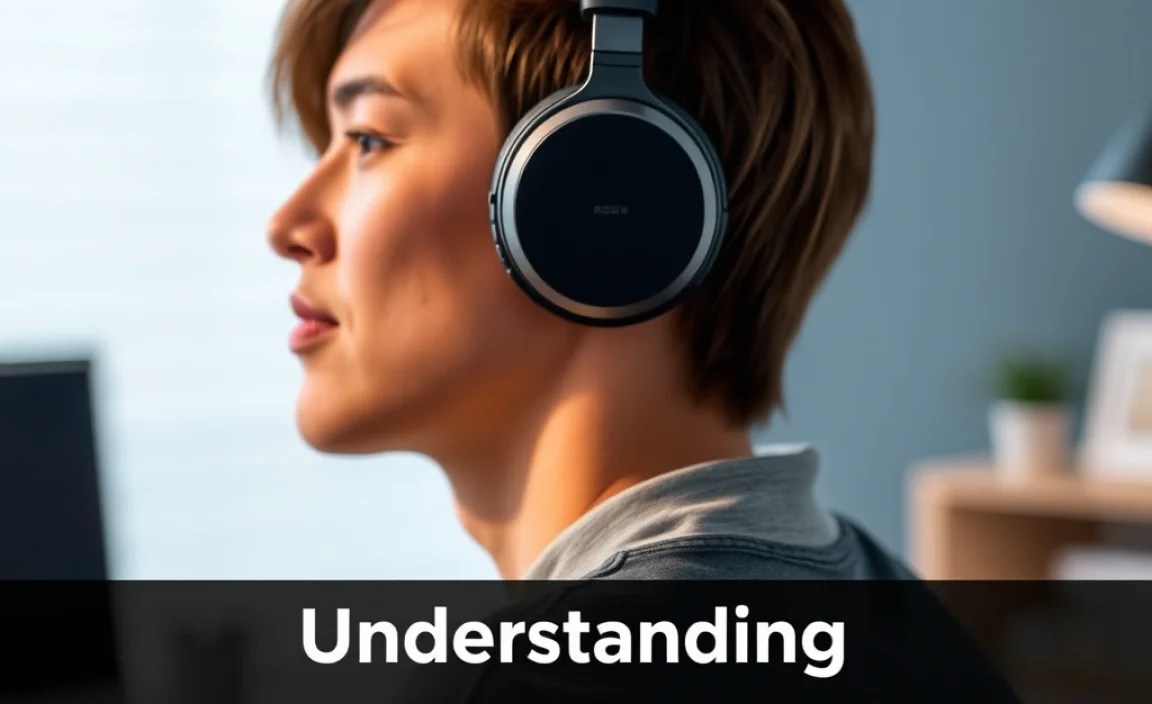
Bluetooth headphone sensitivity is important for sound quality. Higher sensitivity means louder sounds without distortion. Did you know that sensitive headphones can make soft music come alive? This is perfect if you love listening to faint details in songs or audiobooks. Remember, not all headphones are created equal. Some might feel comfortable but may not perform well in sound clarity. So, when choosing your next pair, think about sensitivity for the best listening experience!
What is Headphone Sensitivity?

Definition of headphone sensitivity and its significance in audio quality.. Explanation of how sensitivity is measured (dB/mW)..
Headphone sensitivity tells us how well headphones turn electrical energy into sound. It shows how loud the sound can get from a given power level. Higher sensitivity means louder sounds with less power. For example, if a headphone has a sensitivity of 100 dB/mW, it will produce a strong sound with very little effort. This makes them great for enjoying music or podcasts. Just imagine a tiny headphone throwing a loud party in your ears!
| Sensitivity (dB/mW) | Sound Level |
|---|---|
| 85 dB/mW | Quiet Room |
| 100 dB/mW | Classroom |
| 110 dB/mW | Concert |
In short, headphone sensitivity is important for great sound quality. A little sensitivity goes a long way in making your tunes sound fantastic!
The Importance of Sensitivity in Bluetooth Headphones

How sensitivity affects volume levels and sound clarity.. The relationship between sensitivity and device compatibility..
Sensitivity plays a big role in how we hear sounds from bluetooth headphones. High sensitivity means louder sounds without distortion. This makes music, calls, and movies clearer. It is also important for connecting to devices. More sensitivity helps headphones work better with different gadgets. If headphones are not sensitive enough, they may not perform well. This can lead to a bad listening experience.
How does sensitivity affect volume and clarity?
High sensitivity helps headphones produce louder sound and better clarity. You get to enjoy every beat and note when listening!
Benefits:
- Louder sounds without distortion
- Clearer music and calls
- Better battery life
Can sensitivity affect device compatibility?
Yes, sensitivity can impact how well headphones connect to devices. More sensitive headphones usually work better with tablets, phones, and computers.
Comparing Sensitivity Ratings Across Brands

Analysis of sensitivity ratings in popular Bluetooth headphone brands.. Differences in performance based on sensitivity ratings..
When diving into Bluetooth headphones, sensitivity ratings can be a game changer. Different brands show their secrets in numbers, like a playful contest! For instance, some headphones produce crisp sounds and clear voices, while others go “pop” or “crackle” like a campfire. Here’s a sneak peek of how they measure up:
| Brand | Sensitivity Rating (dB/mW) | Performance |
|---|---|---|
| Brand A | 95 | Great sound clarity! |
| Brand B | 85 | Decent but needs more punch. |
| Brand C | 100 | Blows your socks off! |
In summary, higher sensitivity doesn’t always mean better for your ears, but it could mean more fun for your playlist. Remember, picking headphones is like choosing ice cream; make sure it’s a flavor you love!
How to Choose the Right Sensitivity Level for Your Needs
Guidelines for selecting sensitivity based on usage (e.g., casual listening vs. audiophile).. Recommendations for specific activities (e.g., sports, commuting)..
Choosing the right headphone sensitivity is like picking the right pizza topping—everyone has their favorite! For casual listening, aim for medium sensitivity. It gives you good sound without blowing your eardrums. Audiophiles, on the other hand, might prefer higher sensitivity to catch all those tiny details. If you’re a sports lover, low to medium sensitivity keeps the music pumping without annoying interruptions. Commuters should look for headphones with good isolation. They help block out noise while keeping your playlist rocking!
| Usage | Sensitivity Level |
|---|---|
| Casual Listening | Medium Sensitivity |
| Audiophile | High Sensitivity |
| Sports | Low to Medium Sensitivity |
| Commuting | Good Isolation |
Remember, the best headphones suit your style and activities. Like a good friend, they should make your life easier and more fun!
Common Misconceptions About Headphone Sensitivity
Debunking myths surrounding sensitivity and sound quality.. Clarifying the role of other specifications (impedance, frequency response)..
Many people believe that headphone sensitivity is the one true measure of sound quality. This isn’t entirely true! Sound quality actually depends on several factors like impedance and frequency response too. Impedance is kind of like a bouncer at a club; it controls how easily sound flows through the headphone. On the other hand, frequency response lets you hear all the juicy details in music, from the deep thumps to the sparkling highs. Remember, good sound is a team effort!
| Specification | What It Does |
|---|---|
| Sensitivity | Measures how loud the headphone can get |
| Impedance | Controls how easily sound travels |
| Frequency Response | Covers the range of sounds you can hear |
So, next time you hear someone bragging about sensitivity, remind them that it takes more than just loudness to make great sound!
Testing Headphone Sensitivity Before Purchase
Tips for evaluating sensitivity instore or online.. Recommended listening tests to assess audio quality..
Before buying headphones, checking their sensitivity is important. Here are some tips to evaluate them:
- Try them on and test sound at different volumes.
- Use familiar songs to assess clarity and balance.
- Ask for demos in stores; listen for long periods.
When testing audio quality, choose tracks with:
- Strong bass for low-frequency response.
- Clear vocals for mid-range quality.
- High notes for treble performance.
Remember, a great pair of headphones makes every song sound better!
What are some recommended tests for headphone sensitivity?
Use songs you know well to judge sound quality. **Familiar tunes help you notice differences** in clarity, bass, and balance. Listening for at least 10 minutes can also help you decide if they feel comfortable.
Future Trends in Bluetooth Headphone Sensitivity Technology
Emerging technologies that may influence sensitivity.. Predictions for the evolution of audio specifications in Bluetooth headphones..
New ideas are popping up every day in Bluetooth headphone technology! For starters, companies are exploring ways to boost sensitivity for clearer sounds. Imagine hearing your favorite song as if the artist was in your room. Amazing, right? With advancements like AI and better materials, future headphones could sound like magic!
As for audio specs, we predict they’ll keep improving. You might even see headphones that can adjust to your environment. Have a noisy coffee shop? No problem! Also, look out for wireless charging and longer battery life. Who doesn’t want headphones that last longer than your phone?
| Technology | Expected Impact |
|---|---|
| AI Integration | Better sound quality |
| Advanced Materials | Improved durability and comfort |
| Environmental Adaptation | Dynamic audio adjustment |
In summary, the future of Bluetooth headphone sensitivity looks bright and full of surprises!
Conclusion
In conclusion, Bluetooth headphone sensitivity affects sound quality and clarity. Higher sensitivity means louder and clearer audio. When choosing headphones, consider sensitivity alongside comfort and battery life. You can test them in stores or read reviews online. Explore more about this topic to find the perfect pair for your needs and enjoy better sound everywhere you go!
FAQs
Here Are Five Related Questions On The Topic Of Bluetooth Headphone Sensitivity:
How Does The Sensitivity Of Bluetooth Headphones Affect Sound Quality And Volume Levels?
The sensitivity of Bluetooth headphones tells us how well they can turn sound signals into loud sounds. If headphones have high sensitivity, they can create louder sound even with a small amount of power. This means you can enjoy music at lower volumes, making it clearer. Lower sensitivity headphones might need more power to sound good, which can make the music quieter and less clear. So, sensitivity helps in getting better sound quality and volume.
What Is The Typical Sensitivity Range For Bluetooth Headphones, And How Does It Compare To Wired Headphones?
Bluetooth headphones usually have a sensitivity range of 90 to 130 decibels (dB). This means they can sound loud or soft based on how you use them. Wired headphones often have a similar range, but they can sometimes sound better. This is because wired headphones use a direct connection. So, while both types can be good, wired ones might deliver clearer sound.
How Can Users Measure Or Determine The Sensitivity Of Their Bluetooth Headphones?
To check how sensitive your Bluetooth headphones are, you can listen to different sounds at various volumes. Start by playing quiet music and see if you can hear the details. Then, try louder music to feel the bass and depth. If you can hear and feel everything clearly, your headphones are pretty sensitive! You can also compare them to other headphones to see which one sounds better.
What Role Does Impedance Play In The Sensitivity Of Bluetooth Headphones?
Impedance is like a doorway for sound in Bluetooth headphones. When the impedance is just right, it helps the headphones make sounds you can hear clearly. Lower impedance means easier sounds travel, so you get louder music. If the impedance is too high, sounds might be quieter and harder to hear. So, the right impedance helps you enjoy your favorite songs better!
Are There Specific Factors That Can Influence The Sensitivity Of Bluetooth Headphones During Use, Such As Environment Or Device Compatibility?
Yes, several things can affect how well Bluetooth headphones work. First, the space around you matters. If you are in a crowded or noisy place, the sound may not be as clear. Second, the device you use with the headphones can make a difference. Some devices are better at connecting correctly than others. Make sure your headphones and the device are close together for the best sound.
