
Have you ever wondered why some headphones sound better than others? It’s a common question for music lovers and casual listeners alike. The choice between wired and wireless headphones can greatly affect sound quality.
Many people think that all wireless headphones sound the same. But that’s not true! Some models provide crisp audio that can surprise even seasoned audiophiles.
Did you know that wired headphones often deliver better sound quality? They don’t rely on Bluetooth, which can sometimes drop audio quality. This makes wired options a favorite for gamers and music producers.
But wireless headphones offer freedom! You can move around without being tethered to your device. Imagine dancing around your room while listening to your favorite song. Sounds fun, right?
In this article, we will explore easy tips to improve headphone sound quality. You’ll learn how to choose between wired and wireless options. Whether you want great sound at home or on the go, these tips will help you enjoy every beat.
Headphone Sound Quality Tips: Wired Vs Wireless Options

Headphone Sound Quality Tips: Wired vs Wireless

Choosing between wired and wireless headphones can be tricky. Wired headphones typically offer clearer sound and deeper bass. They don’t use batteries, so you never worry about charging. On the other hand, wireless headphones provide freedom of movement. Their sound may slightly lag, but advancements improve that. Did you know that some wireless headphones now match wired quality? Exploring these options can help you find the best sound experience for your lifestyle.
Understanding Sound Quality

Definition of sound quality in headphones. Key factors influencing sound quality.
Sound quality in headphones means how clear and enjoyable the music or sounds are. It’s like hearing your favorite song live instead of through a tin can. Several key factors affect this quality. Materials like the drivers (the part that makes sound) and the frequency response (how well they handle different pitches) play huge roles. Even size matters! For example, bigger drivers can produce deeper bass. Here’s a quick look:
| Factor | Impact on Sound Quality |
|---|---|
| Drivers | Bigger drivers give better bass. |
| Frequency Response | Wider range means more detail in sound. |
| Material | High-quality materials enhance clarity. |
So, whether you choose wired or wireless headphones, remember that these factors shape your listening adventure. Happy listening!
Wired Headphones
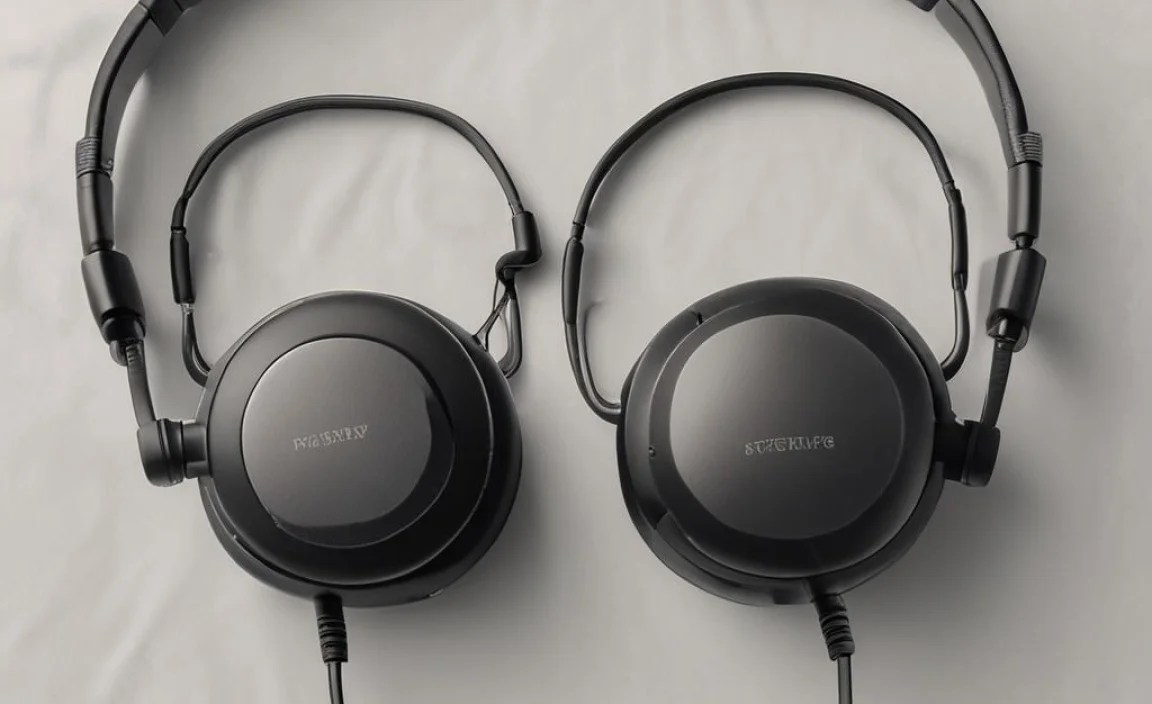
Advantages of wired headphones. Common sound quality issues in wired headphones.
Wired headphones are like a trusty friend who always shows up on time. They usually provide better sound quality than their wireless cousins. With a direct connection, there’s less chance of interference. But let’s be real—sometimes, tangled wires are more annoying than a cat in a bathtub.
| Advantages | Common Issues |
|---|---|
| Better sound clarity | Wires breaking over time |
| Lower latency | Noise interference |
| No battery needed | Limited movement |
While wired headphones shine in sound fidelity, they can suffer from occasional sound issues. Broken wires can lead to annoying static sounds. Always check for wear and tear to keep your tunes flowing smoothly, or you might end up with more silence than a library!
Wireless Headphones
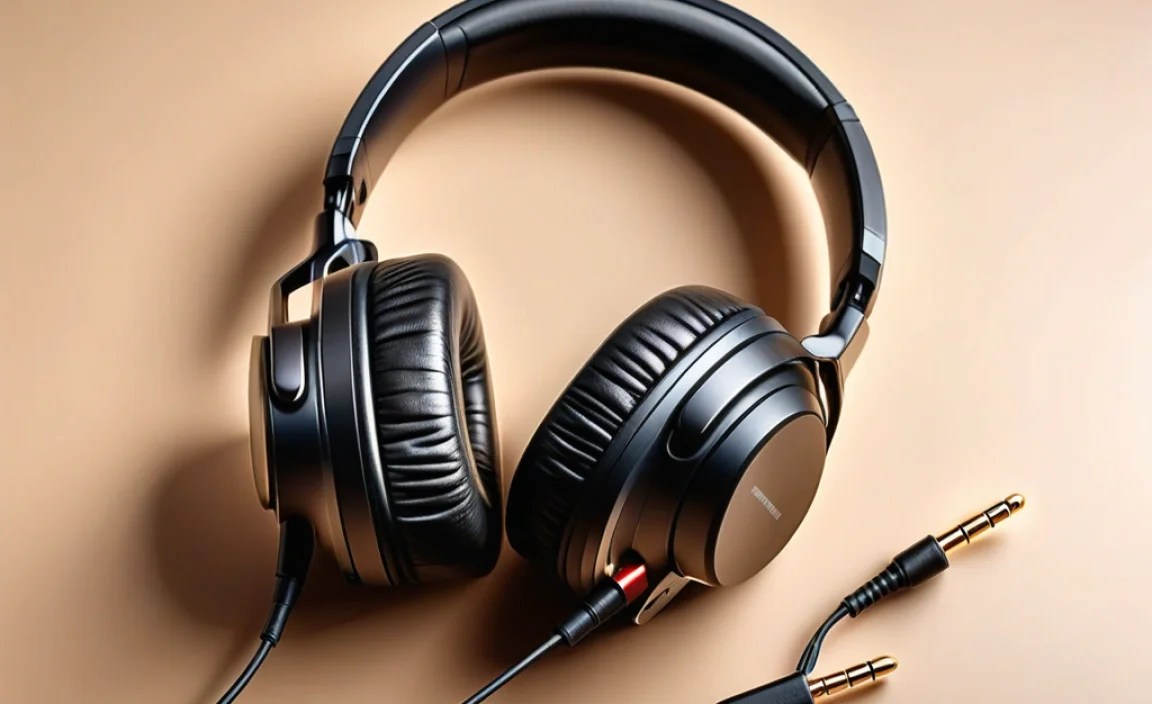
Advantages of wireless headphones
. Common sound quality issues in wireless headphones.
Wireless headphones have become popular for many reasons. They are convenient and let you move freely without tangled wires. Plus, they often come with features like noise cancellation and touch controls, making listening easier. However, some people mention sound issues. Common problems include a drop in sound quality and delay during video playback. It can be frustrating if you’re trying to enjoy your music or a movie!
What are the common sound quality issues with wireless headphones?
Wireless headphones may face few sound problems. For example:
- Sound drops: Signals may be interrupted at times.
- Static noise: You might hear crackling sounds.
- Audio delay: It can be out of sync with videos.
Comparative Analysis: Wired vs Wireless Sound Quality
How sound delivery differs between wired and wireless. Latency and its impact on sound quality.
Wired headphones often deliver sound like a deer dancing on a cloud. They connect directly to devices, giving clear audio without interruption. Wireless headphones, however, are like squirrels on a sugar rush. They use Bluetooth, which can cause a tiny delay, known as latency. This lag can affect sound quality, especially with music or games. Did you know that nearly 20% of users notice this delay? It’s a real party crasher! Check out the table below for a quick comparison:
| Aspect | Wired Headphones | Wireless Headphones |
|---|---|---|
| Sound Clarity | Excellent | Good |
| Latency | Low | Higher |
| Portability | Less portable | Highly portable |
| Battery Life | No battery needed | Limited by battery |
Choosing the Right Headphones for Your Needs
Factors to consider when selecting headphones. Recommendations based on usage (casual listening, professional, etc.).
Finding the right headphones can be tricky. Think about where and how you’ll use them. Some factors help you choose:
- Comfort: Make sure they feel good on your ears.
- Sound Quality: Listen for clear sounds, whether wired or wireless.
- Durability: Choose options that last through everyday use.
For casual listening, a comfy pair works well. If you’re a professional, look for headphones with high sound quality. Better choices improve your experience. Remember, you’ll enjoy music better with the right fit!
What should I consider when buying headphones?
Check comfort, sound quality, and durability. These factors help you find the best pair for your needs.
Enhancing Sound Quality in Headphones
Tips for optimizing sound quality regardless of type. Importance of DAC (DigitaltoAnalog Converter).
To enhance sound quality in your headphones, here are some helpful tips. Check the fit of your headphones; good sealing improves sound. Use high-quality audio files for the best experience. Consider adjusting sound settings on your music device. A good Digital-to-Analog Converter (DAC) can also boost sound clarity. This converts digital music to analog, ensuring it sounds great. Don’t overlook these steps for amazing audio!
What is the importance of a DAC?
A DAC ensures your music sounds clear and full by changing digital signals into sound waves. This conversion is key for high-quality audio, making your listening experience better.
- Choose headphones that match your audio needs.
- Look for DACs in sound equipment for better performance.
- Experiment with different music genres to find what you love.
Future Trends in Headphone Technology
Advancements in wireless technology. Predictions for wired headphone improvements.
Headphone technology is gearing up for some exciting changes! With wireless tech advancing, we can expect better sound quality and longer battery life. Imagine listening to music without those annoying wires getting tangled! Meanwhile, wired headphones aren’t getting left behind. They’ll become lighter and more durable, making them super comfy for long listening sessions. Who knew improvements could sound this good?
| Trend | Description |
|---|---|
| Wireless Enhancements | Better sound and longer battery life. |
| Wired Improvements | Lighter materials and greater comfort. |
Conclusion
In summary, choosing between wired and wireless headphones affects sound quality. Wired headphones usually offer better sound and lower latency. Wireless headphones provide convenience but may have slight delays or quality drops. To enhance your listening experience, try both types and see what you prefer. For more tips on improving headphone sound, explore other resources or ask friends for recommendations!
FAQs
Certainly! Here Are Five Related Questions On The Topic Of Headphone Sound Quality, Focusing On Wired Versus Wireless:
Sure! Wired headphones connect with a cable, while wireless headphones use Bluetooth. Wired headphones usually have better sound quality. They don’t have battery problems like wireless ones. However, wireless headphones are more convenient and let you move around freely. Both can sound great, so it depends on what you like!
Sure! Please provide the question you would like me to answer.
What Are The Key Differences In Sound Quality Between Wired And Wireless Headphones?
Wired headphones usually have better sound quality than wireless ones. This is because they connect directly to your device with a cable. Wireless headphones use Bluetooth, which can sometimes make sounds less clear. However, many wireless headphones are still pretty good! You might notice the difference if you listen closely.
How Does Bluetooth Codec Choice Affect The Audio Performance Of Wireless Headphones?
The Bluetooth codec is like a special language for headphones. It helps them turn music into sound. Some codecs give better sound quality than others. If you pick a good codec, your music will sound clearer and nicer. Using a not-so-good codec can make the music sound fuzzy or unclear.
Are There Specific Genres Of Music That Sound Better On Wired Headphones Compared To Their Wireless Counterparts?
Yes, some music genres sound better on wired headphones. For example, rock and classical music can be clearer. Wired headphones usually have better sound quality. They don’t lose any sound like wireless headphones might. So, for these genres, wired might be the best choice!
What Factors Should Consumers Consider When Choosing Between Wired And Wireless Headphones For The Best Sound Experience?
When picking between wired and wireless headphones, you should think about sound quality, comfort, and battery life. Wired headphones usually provide better sound because they connect directly. Wireless headphones are more convenient since they don’t have cords. You also need to check if you’re okay with charging wireless headphones. Choose what feels right for you!
Do Wired Headphones Generally Provide Superior Noise Isolation Compared To Wireless Models, And If So, Why?
Yes, wired headphones usually block out noise better than wireless ones. This is because they fit snugly in your ears, making it hard for sound to get in. Wireless headphones might not seal as well and could let in more noise. So, if you want to hear your music clearly, wired headphones might be a better choice!
{
