
Do you wonder how to choose the best headphones for comfort? You’re not alone! Many people feel confused by the variety of options available. Sometimes, wearing the wrong headphones can cause pain or discomfort. What if I told you there’s a way to enjoy your music without hurting your ears?
In this headphone tutorial comfort guide, we will explore tips to help you find the perfect pair. Imagine listening to your favorite songs for hours without any discomfort. Sounds great, right?
Did you know that many people overlook simple features that can make a huge difference? From padding styles to weight and fit, these little things matter. With just a few easy steps, you can discover what works best for you.
So, are you ready to dive into the world of headphones? Let’s make your listening experience enjoyable and pain-free!
Headphone Tutorial: Your Comfort Guide To Perfect Sound

Headphone Tutorial Comfort Guide
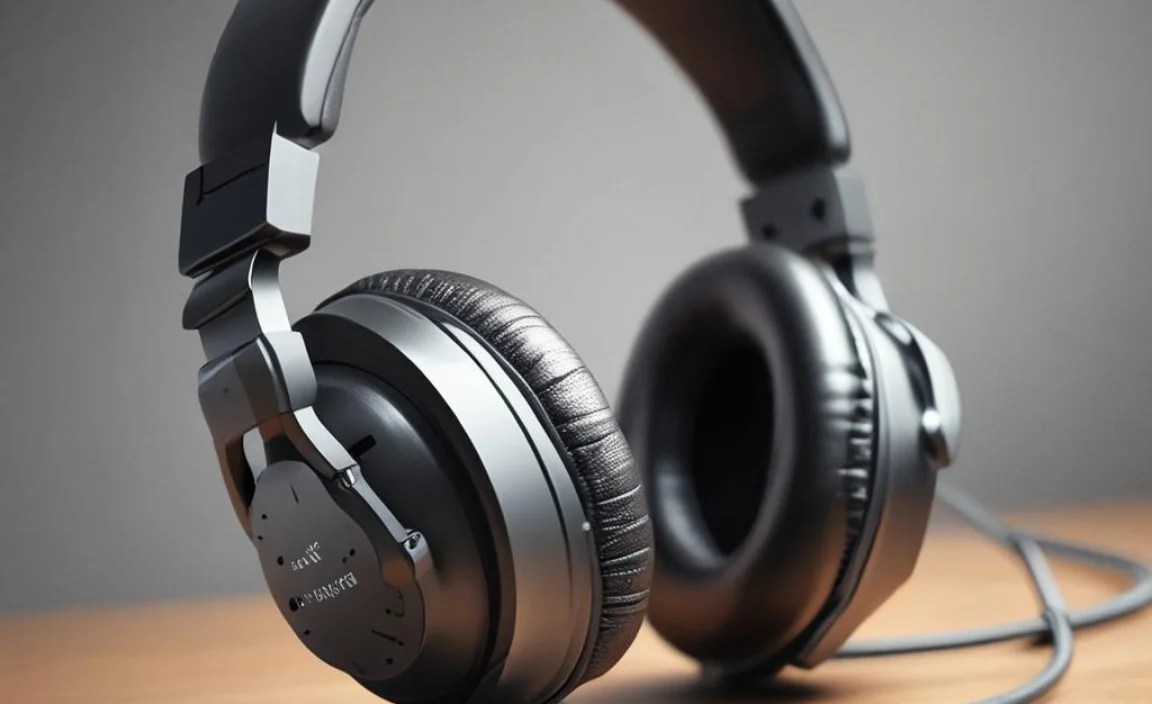
Finding the right headphones is important for comfort and enjoyment. Did you know that wearing the wrong size can make your listening experience painful? This comfort guide helps you choose headphones that fit well. Learn about ear padding, weight, and adjustability. You’ll also discover tips for long listening sessions without discomfort. Did you know that some materials feel softer than others? This guide makes headphone shopping easy and fun!
Choosing the Right Headphone Type for Comfort

Comparing overear, onear, and inear designs. Factors influencing comfort based on headphone type.
Finding the best headphones for comfort matters. You can choose from three types: over-ear, on-ear, and in-ear. Each type fits differently. Over-ear headphones cover your ears and are great for blocking noise. On-ear headphones rest on your ears and feel lighter. In-ear headphones fit inside your ear and are very portable. Comfort depends on how long you wear them and your ear shape. Always try them on first!
What should I consider when choosing headphone types for comfort?
Look for these key factors:
- Weight: Lighter headphones generally feel better for longer use.
- Cushion: Soft cushions help reduce pressure on your ears.
- Fit: Make sure they fit your ear well without slipping off.
Importance of Headphone Fit

How to determine the right size and fit for your headphones. The impact of proper fit on sound quality and comfort.
Finding the right size and fit for headphones is key. If they’re too tight, they can hurt your ears. If they’re too loose, sound may leak. A good fit helps you hear every note clearly. Comfort also matters; the right headphones let you listen for hours without discomfort. Measure your head with a soft tape, or try different styles. Remember, a great fit makes listening more enjoyable!
How do I find the right headphone size?
You can find the right headphone size by measuring your head with a soft tape measure or trying on different styles. Check if they feel snug but not tight.
Tips for a Comfortable Fit:
- Adjust the headband to fit snugly.
- Choose cushioned ear pads for comfort.
- Test the weight; lighter headphones are usually more comfortable.
Materials That Enhance Comfort

Discussing different ear cup materials and their benefits. The role of headband padding in enhancing comfort.
Ear cups come in different materials, each with unique benefits. Soft foam and gel cushions provide a comfy fit and reduce pressure on your ears. Leather ear cups offer a luxurious feel and good sound isolation. For sports or active use, breathable fabrics keep your ears cool.
The padding on the headband is just as important. It helps to distribute weight evenly. This padding keeps your head comfortable over long listening sessions.
What materials make headphones comfortable?
Soft foam, gel, leather, and breathable fabrics enhance comfort.
- Soft foam: Cushions pressure.
- Gel: Conforms to your ear shape.
- Leather: Luxurious and isolates sound.
- Breathable fabric: Keeps ears cool.
Adjustable Features for Customized Comfort
Benefits of adjustable headbands and ear cups. How to optimize adjustments for prolonged use.
Adjustable headbands and ear cups make your headphones much more comfy. They let you find the right fit for your head. This means no more sore ears after wearing them for a long time. To get the best comfort during long listening sessions, try these tips:
- Find a snug fit without being too tight.
- Adjust the ear cups to sit perfectly over your ears.
- Take breaks every hour to give your ears a rest.
Remember, the right adjustments can help you enjoy your music without discomfort!
How do adjustable features improve comfort?
Adjustable features allow users to customize their fit. This leads to better sound quality and less strain while using headphones for long periods.
Tips for Extended Use and Comfort Maintenance
Best practices for wearing headphones for long periods. Maintenance tips to ensure longlasting comfort.
Wearing headphones for long periods can be a treat or a trick! To keep comfy, take regular breaks—like a mini dance party. Every hour, pop them off for five minutes. This helps your ears breathe and stops them from feeling like stuffed piñatas. Adjust the headband; a snug fit is nice, but not if it gives you a headache!
| Tip | Description |
|---|---|
| Take Breaks | Rest your ears every hour to prevent discomfort. |
| Adjust Fit | Make sure your headphones fit snugly but comfortably. |
| Clean Regularly | Wipe down your headphones to keep them fresh and odor-free! |
Lastly, don’t forget to clean your headphones regularly. Earwax is not a fashion statement! Keeping them clean can help them last longer and feel comfy too. With these tips, you can enjoy your music without the fuss!
Addressing Common Discomfort Issues
Identifying and resolving pressure points and soreness. Solutions for overheating ears and discomfort from prolonged wear.
Sometimes headphones can feel like a friendly clamp on your ears. To fix this, first, check for pressure points. Adjust the headband or ear cups for a snug but comfy fit. Overheating ears? Try breathable materials, like mesh, that let your ears breathe. Feeling sore after a long jam session? Take breaks! Your ears need a spa day too! Below is a handy table with quick tips for common discomfort issues.
| Issue | Tip |
|---|---|
| Pressure Points | Adjust headband or ear cups |
| Overheating | Choose breathable materials |
| Soreness | Take regular breaks |
Finding the Perfect Headphone for Your Lifestyle
Matching headphone types to different activities (work, gaming, commuting). Recommendations based on personal preferences and lifestyle needs.
Choosing headphones for your daily life is like picking the perfect outfit—comfort is key! For work, wireless headphones are great. They let you move around while taking calls. If you’re a gamer, look for surround sound headsets. They make every spaceship explosion feel real! For commuting, noise-canceling headphones block out the world, so you can zone out in peace. Here’s a handy table to help you out!
| Activity | Headphone Type |
|---|---|
| Work | Wireless Headphones |
| Gaming | Surround Sound Headsets |
| Commuting | Noise-Canceling Headphones |
Find what suits you best, and remember, the right headphone could turn your boring commute into a mini-concert!
Personalizing Your Headphone Experience
Using ear tips and cushions for a better fit. Exploring custom profiles and apps for sound optimization.
Getting the right fit for your headphones can feel like finding the perfect pizza slice—everyone has their favorite! Start with ear tips and cushions that match your ears. They can make a huge difference! Trying different shapes helps, like how some people prefer pineapple on pizza, and others do not. Then, explore custom profiles in apps. These let you adjust the sound to your liking, like tuning your favorite song. It’s all about making your listening experience fun!
| Tip | Description |
|---|---|
| Choose the Right Ear Tips | Try different sizes and shapes for comfort. |
| Use Cushions | Soft materials can make long listening sessions cozy. |
| Sound Profiles | Customize sound settings for a personal touch. |
Conclusion
In this headphone tutorial comfort guide, we learned how to choose the right headphones for you. We explored padding, fit, and size. Remember, comfort matters for long listening sessions. Take time to try on different models before buying. For more tips on sound quality and features, check out our other articles. Happy listening!
FAQs
What Factors Should I Consider When Choosing Headphones For Maximum Comfort During Long Listening Sessions?
When choosing headphones for comfort, look at how they fit your ears. Soft ear cushions feel nice during long use. Check the headband too; it should be gentle on your head. Make sure they are not too heavy, so they don’t tire you out. Lastly, consider wireless options so you can move freely without tangles.
How Can I Properly Adjust The Headband And Ear Cups Of My Headphones To Ensure A Comfortable Fit?
To adjust your headphone headband, hold it with both hands. Gently pull or push the band to make it fit your head. For the ear cups, move them up or down until they cover your ears nicely. Make sure they don’t press too hard or feel loose. Try wearing them for a bit to check if they feel comfy!
What Are The Differences Between Over-Ear, On-Ear, And In-Ear Headphones In Terms Of Comfort?
Over-ear headphones are big and cover your whole ear. This makes them comfy, especially for long use. On-ear headphones rest on your ears, so they might hurt after a while. In-ear headphones fit inside your ears, which can be very snug but may not be comfy for everyone. So, comfort really depends on what you like!
How Can I Maintain The Padding And Materials Of My Headphones To Enhance Long-Term Comfort?
To keep your headphones comfy, you should clean them often. Use a soft cloth to wipe the padding. Avoid getting them wet. Store them in a safe place so they don’t get hurt. Take care of them, and they’ll feel good for a long time!
What Common Issues Can Lead To Discomfort With Headphones, And How Can I Troubleshoot Them?
Sometimes, headphones can hurt your ears. This may happen if they are too tight or too heavy. You can try adjusting the headband or choosing lighter headphones. Make sure the ear cushions are soft and fit well. If it still hurts, take breaks or try a different kind of headphone.
{
