
Headphones designed for sensitive ears cater to individuals seeking comfort and reduced pressure on the ears, ensuring a pleasant listening experience. Prioritizing ear health, these headphones minimize discomfort and allow users to enjoy music, calls, and media without irritation.
In today’s tech-driven world, headphones have become an essential accessory for most people. However, those with sensitive ears often face challenges in finding the right pair that offers comfort without compromising on audio quality. Headphones for sensitive ears are designed to address these concerns, providing a solution that combines gentle design with effective sound delivery. This article delves into the importance of such headphones, offering insights into their benefits, tips for choosing the right pair, and strategies for maintenance.
Key Takeaways
- Comfort-First Design: Headphones for sensitive ears prioritize comfort with softer materials and ergonomic shapes.
- Reduced Pressure: Designed to minimize pressure and prevent ear fatigue.
- Enhanced Sound Quality: Despite the focus on comfort, these headphones deliver high-quality audio.
- Health Benefits: Decrease the risk of ear pain and irritation.
- Customization Options: Many models offer adjustable features to fit individual preferences.
- Durability: Made with materials that withstand wear and tear while maintaining comfort.
Headphones for sensitive ears offer a balanced blend of comfort and quality, crucial for users who prioritize ear health without sacrificing their listening experience.
What is headphones for sensitive ears?
Headphones for sensitive ears are specifically crafted to provide a comfortable listening experience for individuals with delicate ear conditions. These headphones use softer materials, ergonomic designs, and lightweight structures to ensure minimal discomfort and maximum enjoyment.
Causes for Sensitivity
- Material Allergies: Some individuals are allergic to certain materials commonly used in headphones.
- Pressure Sensitivity: Excessive pressure from tight-fitting headphones can cause discomfort.
- Ear Conditions: Conditions like tinnitus or ear infections can increase sensitivity.
- Prolonged Use: Extended use of headphones without breaks can lead to ear fatigue.
Individuals with sensitive ears often experience discomfort due to allergies, pressure, and prolonged use. Headphones designed for them feature softer, hypoallergenic materials and adjustable designs.
Why headphones for sensitive ears is Important?
The need for headphones catering to sensitive ears is growing, as more people acknowledge the importance of comfort and long-term ear health. By investing in such headphones, users can enjoy extended listening periods without experiencing pain or irritation.
Benefits
- Comfortable Listening: Designed to reduce discomfort and allow prolonged use.
- Improved Health: Minimize ear fatigue and long-term hearing issues.
- High-Quality Audio: Ensures excellent sound quality without sacrificing comfort.
- Customizable Fit: Offers adjustments for personalized comfort.
- Versatility: Suitable for various uses, from casual listening to professional use.
Headphones designed for sensitive ears provide a comfortable and health-conscious listening experience. They ensure that users can enjoy music and media without compromising on audio quality or ear health.
Step-by-Step Guide to headphones for sensitive ears

Step 1: Identify Your Needs
- Assess Sensitivity Level: Determine specific sensitivities and discomfort sources.
- Consider Usage Frequency: Reflect on how often and where the headphones will be used.
- Determine Budget: Establish how much you’re willing to invest in a pair.
Understanding your needs is crucial in selecting headphones that will offer both comfort and functionality suited to your lifestyle and ear conditions.
Step 2: Research Options
- Compare Brands: Look into brands known for producing headphones for sensitive ears.
- Read Reviews: Check user feedback and expert reviews on comfort and audio quality.
- Test Fit: If possible, try on different models to gauge comfort levels.
Researching various options helps in identifying headphones that meet your comfort, quality, and price expectations.
Step 3: Test Comfort and Sound Quality
- Evaluate Materials: Ensure materials are hypoallergenic and soft.
- Check Fit: Make sure they adjust well to your head and ear shape.
- Test Audio Quality: Listen to various sound types to assess quality and clarity.
Testing the comfort and sound quality of headphones ensures they meet your specific needs and preferences, providing a satisfactory listening experience.
Step 4: Make Purchase
- Choose Reliable Retailers: Buy from reputable sellers with return policies.
- Look for Warranties: Ensure the headphones come with a warranty for protection.
- Consider Accessories: Look for additional items like a carrying case or cleaning cloths.
Purchasing headphones from trusted retailers ensures you receive a quality product with support and options for returns if needed.
Alternative Methods / Tools
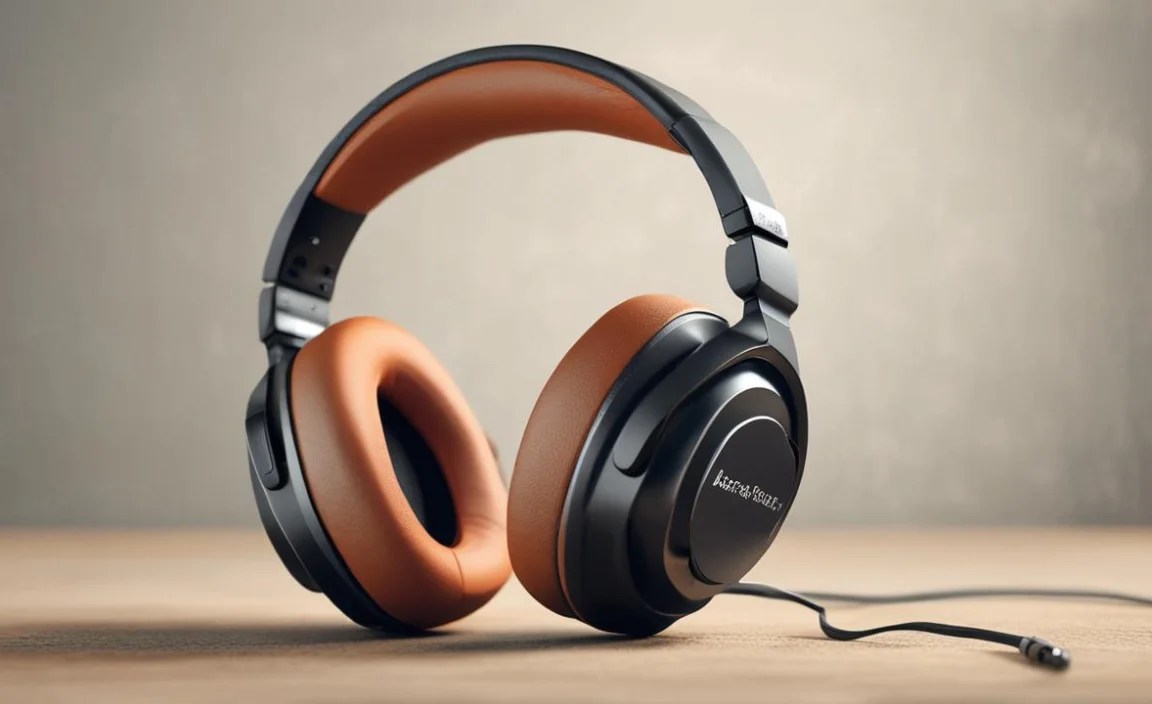
Earbud Cushions
- Soft Materials: Use silicone or foam for gentle contact with the ears.
- Customizable Sizes: Available in various sizes to fit different ears.
- Affordable: A cost-effective way to improve comfort.
Earbud cushions offer a straightforward, inexpensive way to enhance the comfort of existing headphones, making them more suitable for sensitive ears.
Over-Ear Headphones
- Less Pressure: Distribute pressure around the ear rather than on it.
- Noise Isolation: Provides better sound isolation and reduces external noise.
- Cushioned Pads: Soft padding enhances comfort and reduces irritation.
Over-ear headphones provide a comfortable alternative for those with sensitive ears, as they distribute pressure more evenly and offer excellent sound isolation.
Troubleshooting Common Issues
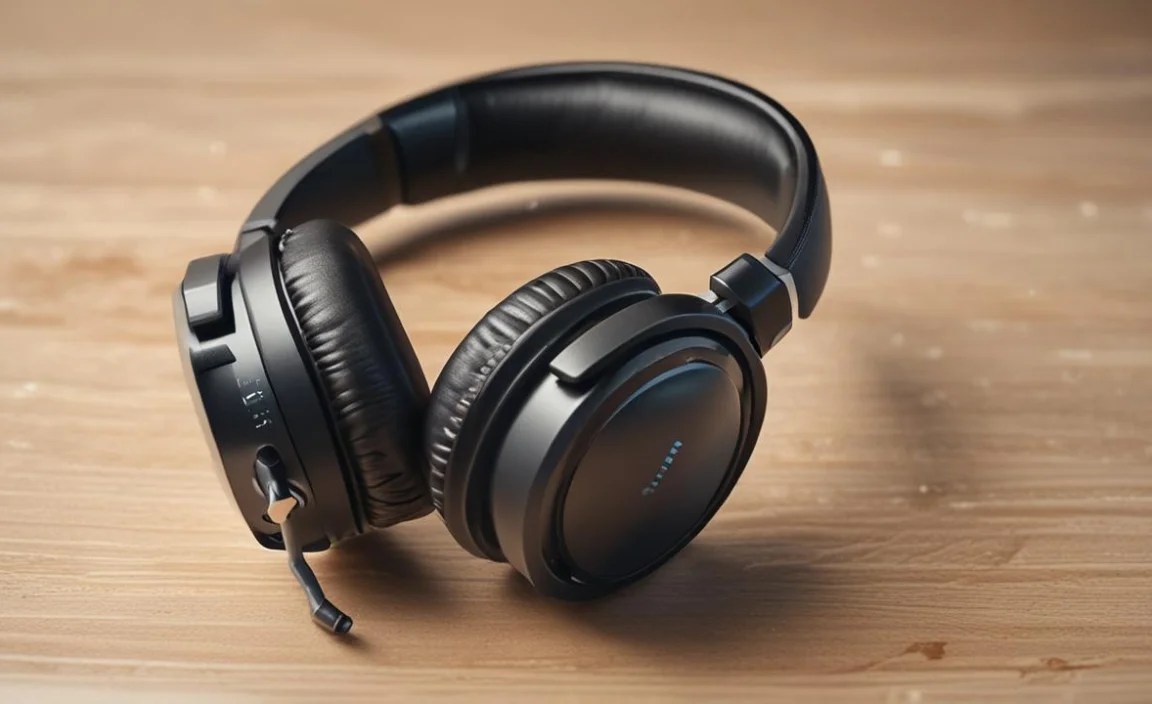
Discomfort from Tight Fit
- Adjust Headband: Loosen the headband to relieve pressure.
- Replace Ear Pads: Opt for softer, larger ear pads.
- Take Breaks: Remove headphones periodically to rest the ears.
Adjusting the headphones or replacing components can significantly reduce discomfort from a tight fit, ensuring prolonged use without pain.
Poor Sound Quality
- Check Connections: Ensure all plugs are securely connected.
- Clean Earbuds: Remove any debris or earwax blocking sound.
- Update Drivers: For wireless models, ensure firmware is up-to-date.
Improving sound quality often involves simple fixes like checking connections or updating drivers, leading to a better auditory experience.
Advanced Techniques
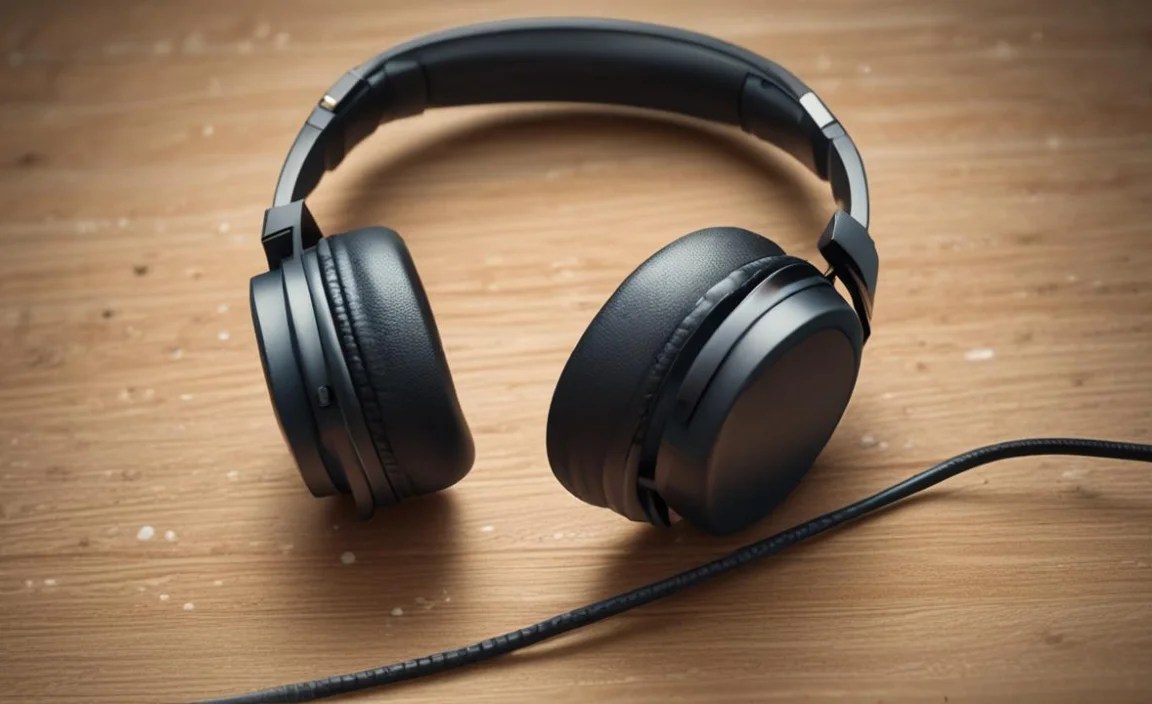
Advanced techniques for optimizing headphones for sensitive ears involve custom fittings and technological enhancements. **Custom ear molds** can provide a tailored fit, reducing discomfort and enhancing sound quality. **Active noise-cancelling technologies** can be integrated into headphones to offer a more immersive listening experience without increasing volume levels.
Prevention & Maintenance Tips
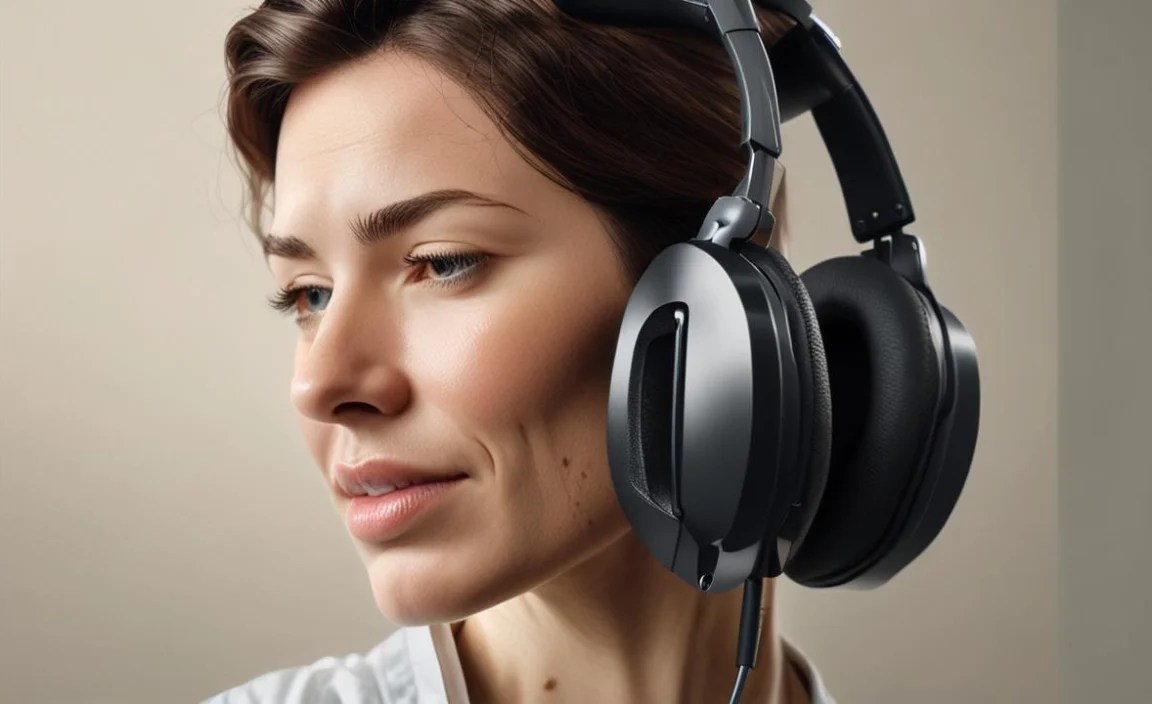
Regular care and maintenance of headphones are crucial in preserving their comfort and functionality for sensitive ears. **Clean regularly** to prevent dirt build-up that can cause irritation. **Store properly** in a case when not in use to protect them from damage. **Inspect periodically** for wear and replace worn-out parts like ear pads or cables.
Real-Life Examples
John, a musician with sensitive ears, found relief using over-ear headphones with memory foam ear cushions, allowing him to practice longer without discomfort.
Susan, who suffers from tinnitus, benefited from noise-cancelling headphones, which reduced ambient noise and allowed her to listen to music at lower volumes.
Mark, a frequent traveler, chose headphones with adjustable headbands and soft ear pads, easing his in-flight listening experience.
Stats & Data Section
According to Statista 2024, 37% of headphone users report experiencing discomfort after extended use.
A report by Nielsen 2025 states that 22% of users prioritize comfort over audio quality when selecting headphones.
Consumer Reports 2025 highlights that 18% of returns in the headphone market are due to fit and comfort issues.
Comparison Table
Headphone Types Compared
| Type | Difficulty | Speed | Best For | Notes |
|---|---|---|---|---|
| Over-Ear | Medium | Fast | All-day use | Great for isolation |
| Earbud Cushions | Easy | Immediate | Casual listening | Affordable option |
| Custom Molds | High | Slow | Professional use | Best fit but costly |
Conclusion
Selecting the right headphones for sensitive ears ensures a blend of comfort, sound quality, and ear health. By understanding personal needs, researching options, and maintaining equipment, users can enjoy a superior listening experience. Start your journey to finding the perfect pair by prioritizing comfort and quality, ensuring long-term satisfaction.
Frequently Asked Questions
Question 1: What are the best headphones for sensitive ears?
Answer: Over-ear headphones with memory foam cushions are often recommended for sensitive ears.
Question 2: Can earbuds be comfortable for sensitive ears?
Answer: Yes, using earbud cushions made from soft materials can improve comfort.
Question 3: How can I test if headphones are suitable for me?
Answer: Try them on for fit and comfort, and test the sound quality before purchasing.
Question 4: Are noise-cancelling headphones suitable for sensitive ears?
Answer: Yes, they can enhance listening quality without increasing volume.
Question 5: How often should I replace ear pads?
Answer: Replace them every 6–12 months depending on usage and wear.
Question 6: What materials are best for sensitive ears?
Answer: Hypoallergenic materials like silicone and memory foam are best.
Question 7: Do headphones for sensitive ears cost more?
Answer: They can be slightly more expensive due to specialized materials and design.
Question 8: How can I prevent ear fatigue?
Answer: Take regular breaks and ensure a comfortable fit to prevent fatigue.
Question 9: Where can I find reviews for headphones suited for sensitive ears?
Answer: Check tech websites and forums for detailed user reviews and ratings.
