
Have you ever lain in bed, staring at the ceiling, while sounds outside keep you awake? The city’s bustling noise can feel endless. This is where noise cancelling headphones for sleeping come to the rescue.
Imagine drifting off to sleep while soft tunes fill your ears. You block out the honks, sirens, or even loud neighbors. Noise cancelling headphones let you create your perfect sleep environment.
Fun fact: Studies show that quiet surroundings can help you fall asleep faster. So, what if a simple pair of headphones can change your sleep game forever? With the right pair, you might discover peaceful nights and refreshed mornings.
In this article, we will explore the best noise cancelling headphones for sleeping. Whether you want to soothe your mind with music or silence distractions, we’ve got you covered. So, are you ready to find your path to better sleep?
The Best Noise Cancelling Headphones For Sleeping Comfortably

Noise Cancelling Headphones for Sleeping

Noise cancelling headphones for sleeping can change your nights forever. Imagine sinking into a deep sleep free from disruptive sounds. These headphones block out chatter, traffic, and other noises, helping you drift off easily. Many models are comfy enough to wear all night. Plus, some play calming sounds or white noise. Did you know that a quieter environment can improve sleep quality? Investing in these headphones might be the secret to better rest.
What are Noise Cancelling Headphones?

Definition and technology behind noise cancellation. Different types of noise cancelling technology (active vs. passive).
Noise cancelling headphones block out unwanted sounds. They use special technology to create silence. This can help you sleep better or focus more. There are two main types: active and passive noise cancellation.
- Active noise cancelling: These headphones use microphones to catch outside noise. Then, they create sound waves that cancel it out.
- Passive noise cancelling: These headphones use thicker materials to block noise. They can fit snugly over your ears.
Choosing the right type depends on your needs. Perhaps you want deep silence while you sleep? Then, active headphones might be best. For travel, passive might do the job.
What is the benefit of noise cancelling headphones?
They help you focus and reduce stress. This makes them perfect for relaxing or studying.
Benefits of Using Noise Cancelling Headphones for Sleep
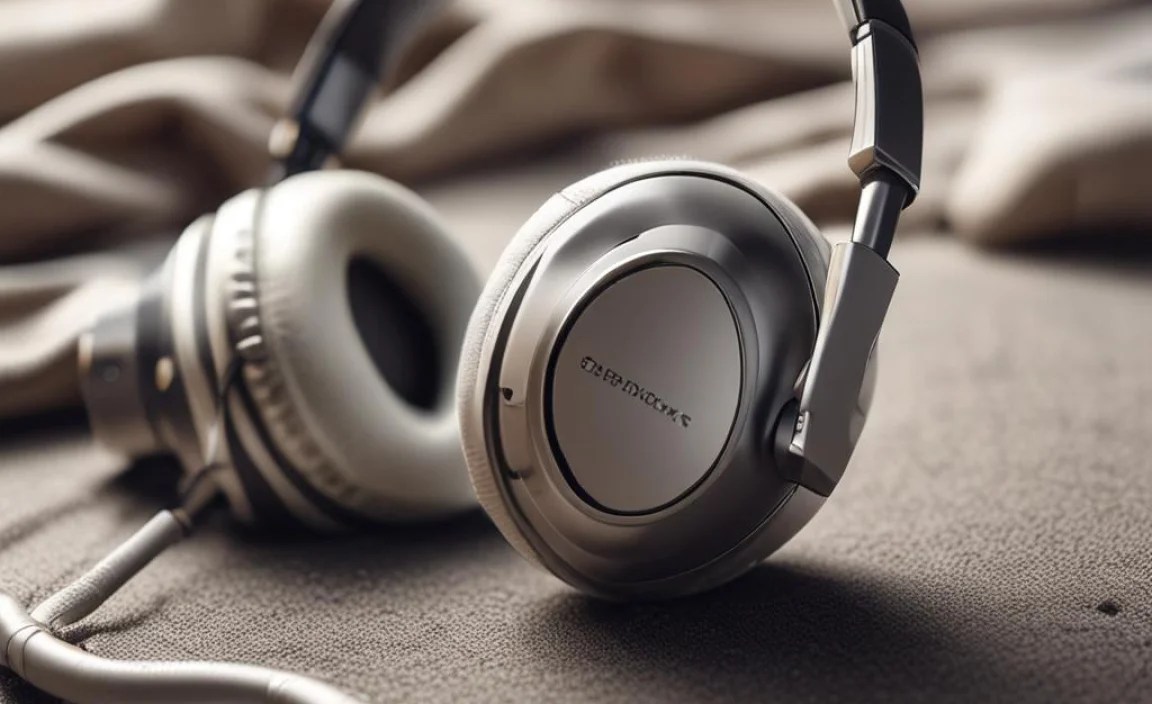
Improved sleep quality and duration. Reduction of disturbances from environment (e.g., snoring, traffic).
Using noise cancelling headphones can be a game changer for getting better sleep. These nifty gadgets help block out annoying sounds, like snoring or honking cars. With fewer disturbances, you may find yourself dozing off faster and enjoying longer sleep. Research shows that good sleep boosts your mood and makes everything feel brighter! So, if you’re tired of counting sheep that just won’t hop, it might be time to try these headphones.
| Benefit | Details |
|---|---|
| Improved Sleep Quality | Fewer noises lead to deeper rest. |
| Longer Sleep Duration | More uninterrupted time for dreaming. |
| Reduced Disturbances | Say goodbye to snoring and traffic chaos! |
Key Features to Look for
Sound quality and audio performance. Comfort and wearability for extended use. Battery life and charging options.
Choosing the right headphones for sleep can make a big difference. Look for these important features:
- Sound Quality: The headphones should block noise well and provide clear sound.
- Comfort: Choose soft and lightweight designs that feel good on your ears for hours.
- Battery Life: Longer battery life means less charging. Some headphones need just a quick charge for hours of use.
Good choices will help you sleep better and feel more rested.
What should I look for in noise cancelling headphones for sleep?
Look for headphones with excellent sound quality, a comfy fit, and long battery life. These features are key for a peaceful night’s sleep.
Top Brands and Models Recommended for Sleeping
Review of popular brands and their standout models. Comparison of features, pros, and cons of each model.
When it comes to snoring neighbors and noisy roommates, some headphones come to the rescue! Popular brands like Bose, Sony, and Sennheiser produce fantastic noise-cancelling headphones. For instance, the Bose Sleepbuds II are cozy and great for sleeping. On the other hand, the Sony WH-1000XM4 offers excellent sound and can even play some calming tunes to help you drift off. Check out the quick comparison below:
| Brand | Model | Pros | Cons |
|---|---|---|---|
| Bose | Sleepbuds II | Comfortable, good for sleep | Only plays preset sounds |
| Sony | WH-1000XM4 | Great sound, can customize | Can be pricey |
| Sennheiser | Momentum 3 | Stylish, excellent quality | Heavy for some |
Pick the pair that makes you say, “Goodnight, world!” but be cautious. Headphones are like puppies; they can be great for cuddling but can be too loud for your wallet!
How to Choose the Right Noise Cancelling Headphones for Your Needs
Factors to consider based on personal preferences and sleeping habits. Price range and budget considerations.
Choosing the right headphones is important for a good night’s sleep. Start by thinking about your personal needs. Do you sleep on your side or back? Some designs work better for different positions. Next, think about your budget. Prices can vary widely. Consider these factors:
- Comfort: Look for soft materials.
- Noise Cancellation: Check how much sound they block.
- Battery Life: Longer life means less hassle.
- Features: Some have special relaxing sounds.
It’s better to invest in quality. A good pair makes a big difference!
What should I consider when buying noise cancelling headphones for sleeping?
Think about comfort, price, noise cancelling effectiveness, and battery life. Comfort is vital for good sleep! Choose a price you can afford, but quality is key.
Best Practices for Using Headphones While Sleeping
Safe volume levels to prevent hearing damage. Tips for getting used to wearing headphones at night.
Using headphones while sleeping can be relaxing, but you should follow some best practices. First, keep the volume low. Sounds above 60 decibels can harm your hearing over time. Aim for safe levels to protect your ears. Next, wearing headphones might feel strange at first. Try these tips:
- Start with short periods at night.
- Use soft, comfortable headphones.
- Practice wearing them while relaxing.
These steps will help you get used to sleeping with headphones and enjoy your restful nights.
Can wearing headphones while sleeping damage your ears?
Yes, if the volume is too high. Keeping the sound levels safe is important. Use headphones responsibly to avoid hurting your hearing.
Alternatives to Noise Cancelling Headphones
Other sleep aids (e.g., earplugs, white noise machines). Comparison of effectiveness for different users.
There are many ways to block noise for better sleep. Some popular options are earplugs and white noise machines. Each method works differently for people. Here’s a quick look:
- Earplugs: Simple and easy. They can fit snugly in your ears, blocking loud sounds.
- White Noise Machines: They produce constant sounds, like rain or ocean waves. This helps cover up sudden noises.
Some find earplugs great for quiet environments. Others prefer white noise for a soothing background. Try different ones to see what helps you rest best!
How effective are these sleep aids?
Effectiveness changes for everyone. Some people sleep better with earplugs. Others like white noise more. Test both to discover what works for you!
User Reviews and Testimonials
Reallife experiences with noise cancelling headphones for sleeping. Common praises and complaints from users.
Many users have shared their thoughts on noise cancelling headphones for sleeping. Most praise their ability to block out loud sounds, creating a peaceful sleep zone. One happy sleeper said, “It’s like diving into a quiet pool!” However, some wish they were more comfortable. Pressure from the ear cups can feel like a tiny goblin sitting on your head! Here’s a quick look at what people think:
| Common Praises | Common Complaints |
|---|---|
| Blocks out snoring | Can be uncomfortable |
| Great for travel | Battery life issues |
| Improves sleep quality | Difficulty using with side sleeping |
Overall, these headphones are like a cozy blanket for your ears, but it’s essential to find the right pair that fits your comfort style!
FAQ: Common Questions about Noise Cancelling Headphones
Addressing concerns about comfort, health, and usage. Clarification of myths vs. facts regarding headphone use during sleep.
Many people worry about using headphones while sleeping. Comfort is key! Most noise cancelling headphones for sleeping are designed to feel good on your ears. It’s okay to wear them nightly if they suit you. There are some myths, like headphones causing hearing loss. That’s not true! If you keep the volume low, your ears will be fine. Here are some common concerns:
- Are they comfortable? Most are made to be soft and snug.
- Can they harm my health? Not usually, as long as you use them right.
- Do they really block noise? Yes, they can help you sleep better.
Conclusion
Noise cancelling headphones for sleeping can help you enjoy better rest. They block out disturbing noises, creating a calming environment. Look for comfortable, lightweight options that fit your ears well. Consider trying different models to find your favorite. If you want to learn more, check out reviews and guides online. Fresh sleep awaits you!
FAQs
What Features Should I Look For In Noise-Cancelling Headphones Specifically Designed For Sleeping?
When looking for noise-cancelling headphones for sleeping, check for comfort first. They should feel soft and not hurt your ears. Look for ones that are lightweight so you can wear them easily. Good noise-cancelling features block out loud sounds, helping you sleep better. Also, choose headphones that have long battery life so they last all night.
How Do Active Noise Cancellation And Passive Noise Isolation Differ In The Context Of Sleep Headphones?
Active noise cancellation uses tiny microphones to pick up sounds, then makes opposite sounds to cancel them out. This helps you hear less background noise. Passive noise isolation, on the other hand, blocks noise by covering your ears with soft materials. It doesn’t use any technology; it just stops sound from getting in. Both help you sleep better by reducing noise around you.
Are There Any Specific Brands Or Models Of Noise-Cancelling Headphones That Are Highly Recommended For Use While Sleeping?
Yes, some good noise-cancelling headphones for sleeping are the Bose Sleepbuds II and the Sony WH-1000XM4. The Bose Sleepbuds are small and comfy, perfect for sleeping. They help block out sounds and play relaxing music. The Sony headphones are comfy and have great sound, but they are bigger. You can choose the one that feels best for you!
Can I Comfortably Sleep With Over-Ear Noise-Cancelling Headphones, Or Are In-Ear Or Sleep-Specific Designs Better Suited For This Purpose?
You can sleep with over-ear noise-cancelling headphones, but they might feel big and heavy. They can press against your head and be uncomfortable. In-ear headphones or special sleep designs are often better. They’re smaller and lighter, making them easier to wear while you sleep. Choose what feels best for you!
How Do Noise-Cancelling Headphones Affect Sleep Quality, And Are There Any Potential Drawbacks To Using Them While Sleeping?
Noise-cancelling headphones can help you sleep better by blocking out sounds that might wake you up. They make it easier to relax and fall asleep. However, wearing them can feel uncomfortable for some people. You might also miss important sounds, like an alarm or someone calling for you. So, it’s good to use them carefully.
