
Have you ever tried to listen to music, but your headphones just wouldn’t connect? It’s so frustrating! Many people face headphone connection issues at home. You might be excited to play your favorite game, but suddenly, you can’t hear anything. Why does this happen?
Sometimes, it’s a simple mistake. Other times, it’s a tricky problem. Did you know that nearly half of all people experience problems with headphones? That’s a lot of us! Imagine your excitement turning into disappointment because of a tiny cable or a missing setting.
In this article, we will explore common headphone connection issues at home and how to fix them. Let’s untangle the mystery so you can enjoy your favorite sounds without any hassle!
Headphone Connection Issues At Home: Troubleshooting Tips

Headphone Connection Issues at Home

Many people face headphone connection issues at home, but it can be easy to fix. Have you ever wondered why your headphones suddenly stop working? Sometimes, it’s as simple as a loose plug or dirty jack. Checking for Bluetooth pairing problems is also helpful. Did you know that restarting your device can solve many connection troubles? Understanding basic troubleshooting can keep your tunes and calls clear. Don’t let headphone headaches ruin your day!
Common Headphone Connection Problems
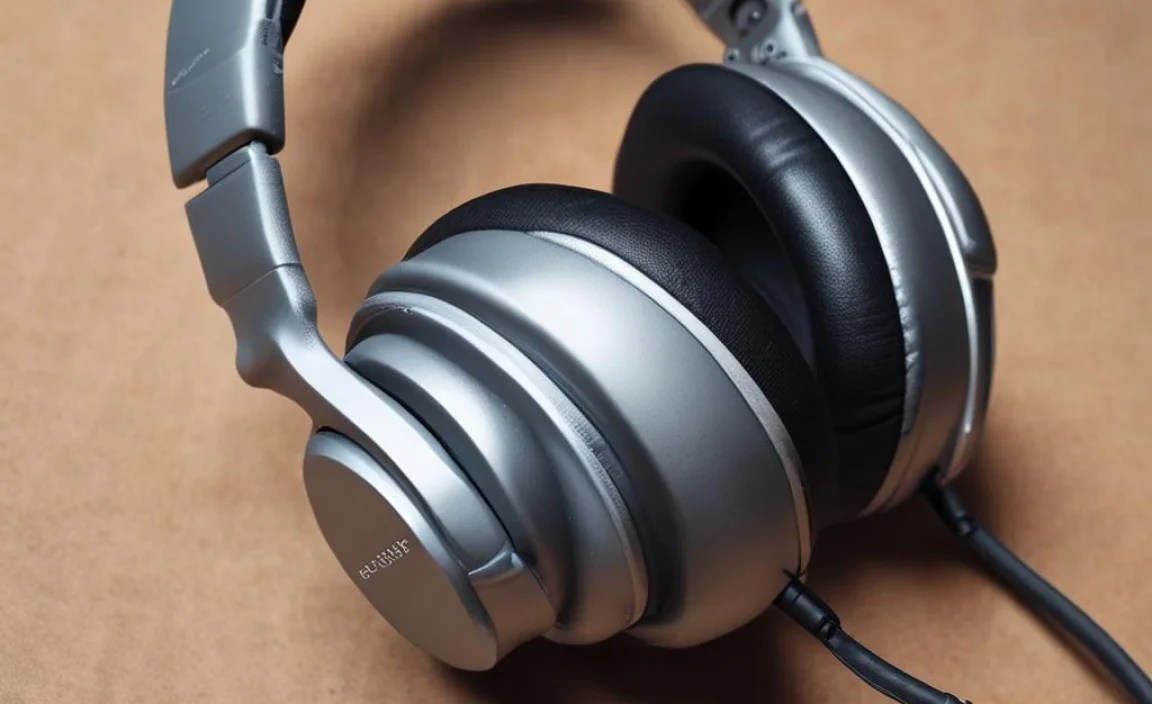
Identifying signs of connection issues. Types of wireless and wired connection problems.
Sometimes, our headphones act like they’re in a secret club. You might notice signs of trouble when sounds get fuzzy or drop out. For instance, if your music skips like a toddler on a sugar high, you may have connection issues. Wired problems often include frayed wires or dirty jacks, while wireless ones can come from low batteries or Bluetooth connection hiccups. Here’s a quick look:
| Connection Type | Common Problems |
|---|---|
| Wired | Frayed wires, loose connections |
| Wireless | Low battery, Bluetooth disconnects |
A quick check can save you a lot of listening headaches. Remember, if your headphones start telling you “not today,” it might be time to troubleshoot!
Troubleshooting Wired Headphones

Checking for physical damage. Testing with different devices.
Having trouble with your wired headphones? First, take a close look for physical damage. Frayed wires or loose connections can really ruin your jam sessions. If they look okay, try your headphones on a different device. It’s like dating; sometimes, it’s just not a match! If your headphones work elsewhere, the issue might be in your original device. Check those ports; they can get dusty or damaged, too!
| What to Check | Why It’s Important |
|---|---|
| Physical Damage | Visible issues can stop sound from flowing. |
| Different Devices | Helps to find out if it’s the headphones or the device. |
Troubleshooting Wireless Headphones

Ensuring Bluetooth settings are correct. Resetting Bluetooth connections.
If your wireless headphones won’t connect, check your Bluetooth settings first. Make sure Bluetooth is turned on. Also, confirm that your headphones are in pairing mode. You might need to reset the Bluetooth connection. Here’s how:
- Turn off your headphones and your device.
- Turn them back on and try to connect again.
- If that doesn’t work, delete your headphones from the device’s Bluetooth list.
- Re-pair the devices to fix the problem.
This simple troubleshooting can often solve many common issues.
How do I fix Bluetooth connection problems?
To fix Bluetooth problems, check if your headphones are charged. Also, make sure your device has the latest updates.
Software and Driver Issues
Updating audio drivers on devices. Troubleshooting audio settings in operating systems.
Sometimes, your headphones may not work because of software problems. Updating audio drivers is important. New drivers fix bugs and help your devices work better. You can check for updates on your computer or device settings.
Another reason could be audio settings. Make sure your device is set to the right output. Try these steps:
- Right-click the sound icon.
- Select “Playback Devices.”
- Choose your headphones.
- Click “Set Default.”
Doing these things could solve your headphone connection issues.
How do I update audio drivers?
You can usually update audio drivers by going to the Device Manager and selecting “Update Driver.” This will help keep your headphones working properly.
Using Bluetooth Adapters and Receivers
When to consider using an adapter. How to install and configure adapters.
Sometimes your gadgets need a little help. If your devices don’t connect easily, a Bluetooth adapter might be your best friend. Consider using an adapter when your favorite headphones just won’t link up with the TV or computer. It’s time to rescue the music!
Installing these adapters is as easy as pie (and just as sweet). Simply plug it in, turn it on, and look for the device on your phone or laptop. Most configure faster than you can say “let’s get this party started!” So grab your favorite tunes, and enjoy a hassle-free listening experience.
| Steps | Action |
|---|---|
| 1 | Plug the adapter into your device. |
| 2 | Power it on. |
| 3 | Search for available devices. |
| 4 | Select your headphones. |
Headphone Compatibility Issues
Checking for device compatibility. Understanding impedance and audio format requirements.
Many people face trouble when connecting headphones. First, it’s important to check if your device is compatible. Different devices work with specific types of headphones. Understanding impedance can help too. It measures how much power your headphones need. Lastly, audio formats vary. Some headphones might not support certain formats. Always verify these details before making a purchase.
How can I find headphone compatibility?
Check the device manual or the manufacturer’s website for compatibility details and specifications.
Key Points:
- Check if your headphones fit the device.
- Understand impedance for better sound.
- Know the audio formats your device uses.
Preventive Measures for Future Issues
Proper handling and storage of headphones. Regularly updating device software.
To avoid future headphone connection issues, handle and store your headphones properly. Always keep them in a safe place, away from tangles and damage. Regularly update your device’s software too. This includes your smartphone, tablet, or computer. Updates fix bugs and improve connections. Follow these steps for smooth sailing:
- Store headphones in a case when not in use.
- Keep cords untangled.
- Check for software updates monthly.
- Restart devices if connection fails.
What can I do to keep my headphones working well?
To keep your headphones in top shape, handle them gently and update device software regularly. Proper care and current software help prevent problems.
When to Seek Professional Help
Signs that indicate a need for a technician. Understanding warranty and repair options.
Sometimes, headphones can be tricky little devils! If they make strange noises or stop working altogether, it might be time to call in a pro. Look for signs like constant disconnection, muffled sound, or if they only work with one ear. Don’t let your headphones become your worst nightmare! Plus, check your warranty. If you bought them recently, you might have options for repair or replacement.
| Signs You Need Help | Warranty Options |
|---|---|
| Strange noised | Check your receipt! |
| Muffled sound | Look for manufacturer coverage. |
| One ear fails | Ask about repair services. |
Remember, your headphones deserve some TLC too! So, when in doubt, don’t hesitate to reach out for help.
Conclusion
In summary, headphone connection issues at home are common but fixable. Check your device settings and cables first. Try resetting Bluetooth or updating drivers if needed. If problems persist, look for online guides or ask for help. By taking these steps, you can enjoy your music without interruptions. Keep learning about tech for smoother listening experiences!
FAQs
What Are The Most Common Causes Of Headphone Connection Issues At Home?
Headphone connection issues at home can happen for a few reasons. First, make sure your headphones are charged or have fresh batteries. Next, check if the plug is firmly connected to your device. Sometimes, dirt can block the headphone jack, so cleaning it helps. Lastly, your device may need a restart to fix any problems.
How Can I Troubleshoot Bluetooth Headphone Connectivity Problems With My Devices?
To fix Bluetooth headphone problems, we can try a few steps. First, make sure your headphones are charged. Then, turn off Bluetooth on your device and turn it back on. Next, check if your headphones are in pairing mode. If they still don’t connect, try restarting your device and the headphones.
What Steps Can I Take If My Wired Headphones Are Not Working Properly With My Computer Or Phone?
First, check if your headphones are plugged in all the way. Next, look for any damage on the cable. You can also try using the headphones with another device to see if they work. If they do, the problem might be with your computer or phone. Finally, restart your device to see if that helps fix the issue.
Are There Specific Settings Or Configurations I Should Check If My Headphones Aren’T Recognized By My Home Audio System?
First, check if your headphones are turned on. Make sure they are charged or have fresh batteries. Next, see if your audio system is set to the right mode for headphones. Also, look at the volume level; it should be loud enough to hear. Lastly, try plugging your headphones into another device to check if they work there.
How Can I Improve The Wireless Connection Quality For My Headphones When Using Them With Multiple Devices?
To improve the wireless connection for your headphones, try a few simple steps. First, keep your headphones and devices close together. This helps the signal stay strong. Next, make sure your devices are updated with the latest software. If you still have problems, try turning off other devices nearby that may cause interference. Finally, restart your headphones and devices to refresh the connection.
