
Have you ever tried to use your favorite over-ear headphones, only to find they won’t work? It’s frustrating, isn’t it? Many people experience this problem. But don’t worry! There are fixes that can help you get back to enjoying your music or shows.
Imagine sitting down to watch that exciting movie. You grab your headphones, but there’s no sound. This can really ruin the moment. Did you know that it’s a common issue? Sometimes, simple fixes can solve the problem. Let’s dive in and explore quick tips and tricks to get your headphones working again!
Whether the sound is crackling or completely missing, you’re not alone. Lots of headphone users face this challenge. By following a few easy steps, you can find the right headphone not working fix. You could be back to enjoying your tunes in no time!
Headphone Not Working Fix for Over-Ear Headphones

Have your over-ear headphones suddenly stopped working? Don’t worry; there are simple fixes you can try. First, check the cable and make sure it’s not damaged. Next, clean the headphone jack to remove dust. If they still don’t work, try pairing them with another device. Sometimes, resetting the headphones can help too. It’s amazing how small adjustments can often bring your favorite tunes back to life!
Troubleshooting Common Issues
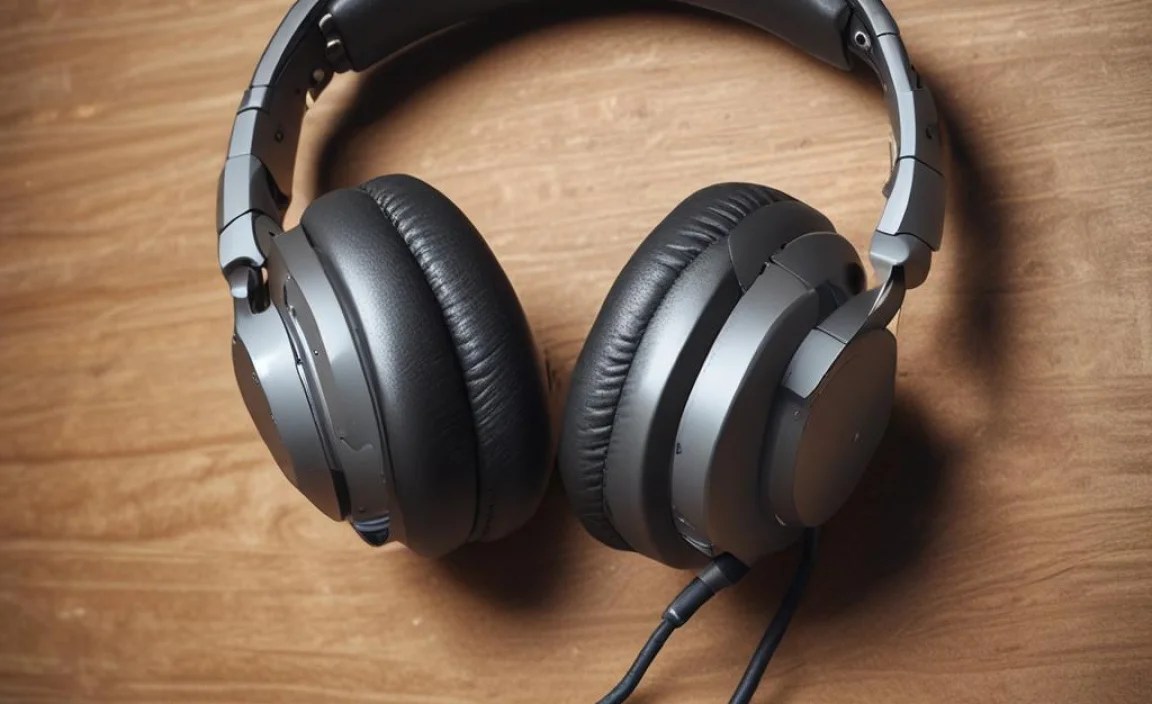
Identify signs of malfunction in overear headphones.. Common causes of headphone connectivity problems..
If your over-ear headphones are acting up, there are a few signs to watch for. Is there crackling or no sound at all? Maybe the audio cuts in and out like a shy kid at a talent show. Common causes of issues include loose connections and low battery. Even a tiny bit of dust can ruin the party! Below is a quick guide to help you troubleshoot:
| Issue | Possible Cause |
|---|---|
| No Sound | Loose Connection or Battery Dead |
| Crackling Noise | Signal Interference or Dirt in Jack |
| Muffled Sound | Damaged Speakers |
Check the Audio Source
Ensure the device volume is turned up and not muted.. Test different audio sources to isolate the issue..
First, make sure your device’s volume is cranked up! Sometimes, a little knob can ruin all the fun. Check if it’s muted; if so, unmute it faster than you can say “sound waves”! Then, try playing audio from different sources, like your phone or computer. This helps you rule out any sneaky issues hiding out there.
| Audio Source | Check Level | Status |
|---|---|---|
| Phone | Volume Up | Tested |
| Computer | Volume Up | Tested |
If your headphones still don’t work, you might need to look deeper. Trouble can lurk in the wires or connections, but at least you can say you tried! Headphones and tech can be as tricky as a cat in a bathtub!
Inspect Headphone Connections

Examine the audio jack and port for damage or debris.. Try connecting headphones to a different device..
Before tossing those over-ear headphones out the window, check the connections! Start with the audio jack. Is it dirty or damaged? A quick clean with a cotton swab can do wonders. Next, peek inside the port. Sometimes, crumbs or lint sneak in and cause trouble. What a sneaky bunch! Try your headphones on a different device, too. If they work, you found the culprit: your first device. Now you can say, “To the trash, it goes!”
| Step | Action |
|---|---|
| 1 | Check the audio jack for debris. |
| 2 | Inspect the port for damage. |
| 3 | Try headphones on another device. |
Examine the Headphone Cable

Inspect for frays, cuts, or bends in the cable.. Understand how cable damage can affect audio performance..
Before you panic about your over-ear headphones, take a good look at the cable. Check for any frays, cuts, or bends. These little issues can lead to major sound problems. Think of your headphone cable as a road; a pothole can make the ride bumpy! If it’s damaged, audio might crackle or go silent. So, if your tunes are not coming through clear, inspect that cable first!
| Common Cable Issues | Effect on Sound |
|---|---|
| Frayed Wires | Weak sound or static |
| Cuts | Sound may cut out completely |
| Bends | Tinny sound quality |
Wireless Troubleshooting for Bluetooth Headphones
Verify Bluetooth settings on the connected device.. Reset the Bluetooth connection and try repairing..
Check your Bluetooth settings first. Make sure Bluetooth is on and the headphones are connected. If they still don’t work, try resetting the Bluetooth connection. Turn off Bluetooth for a few seconds, then turn it back on. Here’s a simple guide:
- Ensure your device’s Bluetooth is enabled.
- Forget the connected headphones in settings.
- Restart your headphones.
- Pair them again from the device.
If problems continue, restarting your device might help too. This often fixes hidden issues!
What should I check first if my Bluetooth headphones won’t connect?
First, verify that Bluetooth is on and the devices are paired. You can do this in your device settings.
Battery and Power Issues
Check the battery level and charging status of wireless headphones.. Solutions for charging problems in overear headphones..
Sometimes your headphones won’t work because they are running low on battery. First, check the power level! If your headphones have no juice, they won’t play a single note. A charging problem could be the villain too. Make sure your charging cable is not a sneaky little rascal that’s broken. Psst! Here’s a tip: unplug and plug it back in; it’s like giving your headphones a little wake-up shake!
| Battery Status | Action |
|---|---|
| Low Battery | Charge your headphones for at least 30 minutes. |
| Not Charging | Check if the charger is working using a different device. |
| Charging Slow | Try a different cable or outlet, like trying a new superhero! |
Keep these tips in mind, and your headphones might start partying again! Remember, a charged headphone is a happy headphone!
Internal Component Checks
Discuss the importance of inspecting internal parts for defects.. Guide to safely open headphones to troubleshoot problems..
Checking the internal parts of your over-ear headphones is very important. Small issues can cause big problems. You might find broken wires or loose connections inside. These defects can stop your headphones from working. To safely open your headphones, follow these steps:
- Gather your tools: a small screwdriver and a soft cloth.
- Carefully remove the ear pads to see the screws.
- Unscrew and gently lift the cover to check inside.
Always remember to be cautious. You don’t want to cause more damage!
What should I look for inside my headphones?
Look for broken wires, loose connections, and dust buildup. These can affect sound quality. Clean any dust to make them work better.
Software and Driver Updates
Ensure device drivers are uptodate for optimal performance.. Explore software updates for smart features in wireless models..
Keeping your device drivers updated is important for your headphones to work well. This helps in making sure you hear clear sound without any problems. For wireless headphones, always check for software updates. These updates can bring new smart features. You want the best performance, right?
What should I do if my headphones stop working?
If your headphones aren’t working, **check if the drivers are updated**. This often solves many issues. **Try resetting your device**, which can help reboot the connection. Lastly, **ensure Bluetooth is turned on** if using wireless.
Professional Repair Options
When to consider taking headphones to a technician.. List of reputable repair services for overear headphones..
Sometimes, headphones stop working. If you tried basic fixes, it might be time for a technician. Consider a pro if your headphones:
- Have broken parts like the ear cushions or wires.
- Make strange noises or no sound at all.
- Are still under warranty but need service.
Here are some trustworthy repair services for over-ear headphones:
- Geek Squad
- FixMyHeadphones
- uBreakiFix
Seeking help can save you time and ensure your headphones work well again.
When should I take my headphones to a technician?
You should see a technician when basic fixes fail, or when your headphones have serious damage.
Conclusion
In conclusion, if your over-ear headphones aren’t working, check the connection and charge them. Try resetting or updating your devices. If problems persist, clean the headphone ports and inspect for damage. We can also consult online guides or reach out to customer support for help. With these simple steps, you can often fix your headphones quickly!
FAQs
What Are The Common Signs That Indicate My Over-Ear Headphones Are Not Working Properly?
You might notice your headphones are not working right if you hear no sound or only one side plays. If the sound is really quiet or crackly, that’s not good either. You may also see damaged wires or parts. Sometimes, they may not connect to your device at all. These signs mean it’s time to check or fix your headphones!
How Can I Troubleshoot Audio Issues With My Over-Ear Headphones?
To fix audio problems with your over-ear headphones, first check the connection. Make sure they are plugged in securely to your device. Next, try adjusting the volume levels. Sometimes, the sound may be too low. You can also test the headphones on another device to see if they work there. If not, the headphones might be broken and need replacing.
What Steps Should I Take If My Over-Ear Headphones Are Not Connecting To My Device?
First, make sure your headphones are charged. Then, turn on your headphones and your device. Check if Bluetooth is on for both. Next, try to pair them again by searching for the headphones on your device. If they still don’t connect, restart both your headphones and your device.
Are There Any Specific Software Settings I Should Check If My Over-Ear Headphones Are Not Producing Sound?
Yes, you should check a few settings. First, make sure your headphones are plugged in properly. Next, look at your computer or phone volume settings. Make sure the sound is not muted, and the volume is turned up. You can also check the audio output settings to ensure they are set to your headphones.
How Can I Determine If My Over-Ear Headphones Are Physically Damaged And In Need Of Repair?
To check if your over-ear headphones are broken, look for any obvious damage. Check for cracks or loose parts. Listen carefully for strange sounds or if one side doesn’t work. Also, make sure the wires are not frayed. If you find any problems, it might be time to fix them.
