
Have you ever wondered how to choose the right headphones for music editing? It can seem tough with so many options out there. A good pair of headphones can make a big difference in how you hear your music.
Imagine sitting down to edit your favorite song. You click play, and the sound is just perfect. Now, think about editing with headphones that just don’t fit your needs. That’s frustrating! Quality headphones help you catch every beat and note while you work.
Did you know that some headphones are specially designed for music editing? This means they can help you hear sounds you might miss with regular headphones. In this guide, we will explore what makes a pair of headphones great for music editing.
So, whether you’re a hobbyist or a pro, this headphone guide for music editing will help you find exactly what you need. Get ready to dive in and discover how to enhance your audio experience!
Ultimate Headphone Guide For Music For Editing: Top Picks & Tips

Headphone Guide for Music Editing
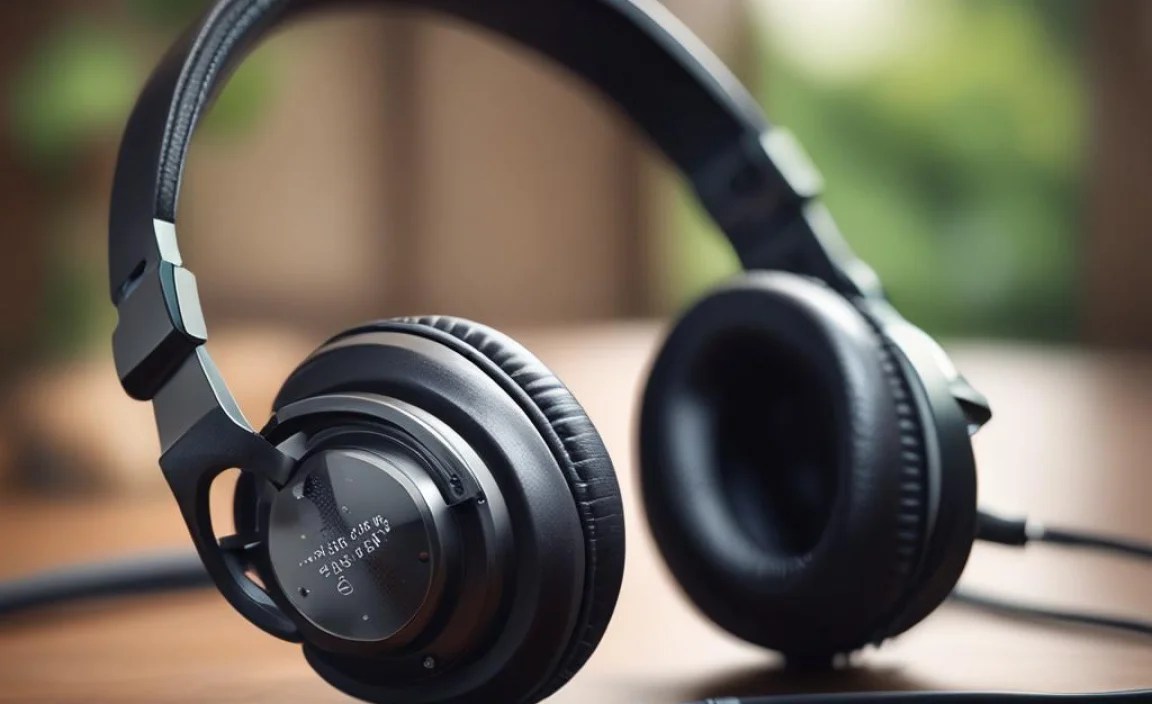
Looking for the perfect headphones for music editing? You’ll want to consider sound quality, comfort, and noise isolation. Good headphones help you hear every detail in your music. Did you know that even small differences in sound can change the whole vibe of a track? It’s like trying to find the best flavor in ice cream! Remember, a good pair means better edits and a more enjoyable experience. Choose wisely!
Important Features to Consider
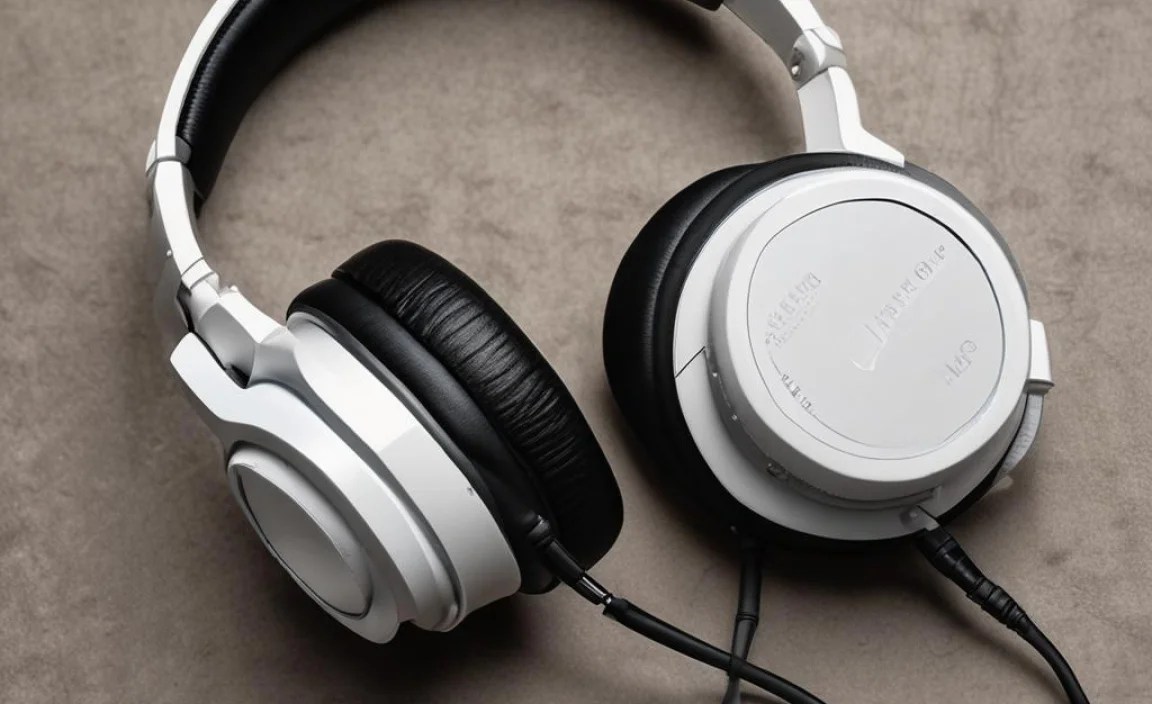
: frequency response, impedance, sensitivity. Comfort and fit: padding, weight, and design considerations.
Choosing the right headphones is like picking the perfect ice cream flavor — there are many factors! First, think about sound quality. Look for frequency response, which affects how well you hear different sounds. Next up is impedance — it helps your headphones work well with devices. And don’t forget sensitivity for clear sounds. Comfort is just as important! Check the padding, weight, and design. After all, you don’t want to feel like a walking muffin after a long editing session!
| Feature | What to Look For |
|---|---|
| Frequency Response | Range of sounds headphones can deliver |
| Impedance | Compatibility with devices |
| Sensitivity | Clarity of sounds produced |
| Padding | Comfort for long use |
| Weight | Lightweight for less fatigue |
| Design | Style that fits your needs |
Wired vs. Wireless Headphones
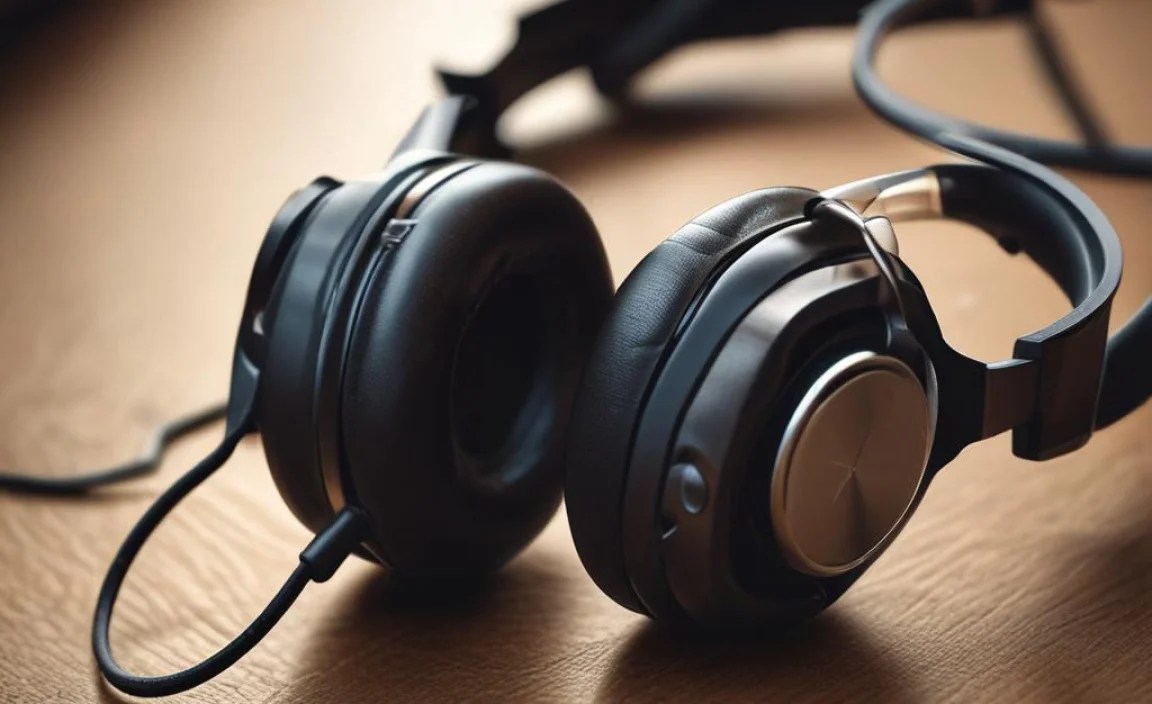
Advantages and disadvantages of wired headphones for editing. When to choose wireless headphones and their impact on sound quality.
Choosing between wired and wireless headphones can feel like deciding between chocolate and vanilla. Both have their perks! Wired headphones deliver great sound quality without interference, making them perfect for music editing. However, they can be a bit of a hassle with wires tangling like spaghetti. On the other hand, wireless headphones offer freedom of movement—ideal for those who like to dance while they work! But beware! Sometimes, the sound can suffer a bit, like a bird trying to sing with a sore throat.
| Headphone Type | Advantages | Disadvantages |
|---|---|---|
| Wired | Excellent sound quality | Wires can tangle |
| Wireless | Great for movement | Can lose a bit of sound quality |
So, if you want studio-level sound, go for wired! But if you’re editing and feel like grooving, wireless could be your jam.
Budgeting for Headphones

Price ranges and what to expect in each range. Recommendations for budgetfriendly vs. highend options.
Headphones can fit every budget. Prices range widely. You can find budget-friendly options starting around $20. These are great for casual listening. Mid-range headphones, priced between $50 to $150, offer better sound and comfort. High-end models can cost over $300 and provide excellent sound quality. They often have special features. Here are some tips:
- For budget-friendly: Look for brands like Sony or JBL.
- Mid-range: Consider Bose or Sennheiser.
- High-end: Try the latest from Audio-Technica or Bang & Olufsen.
What are good budget headphones?
Good budget headphones include options from brands like Skullcandy and Anker. They provide decent sound without breaking the bank.
Headphone Accessories
Essential accessories: cables, adapters, and cases. Upgrading sound quality with DACs and amplifiers.
Headphone accessories are key for getting the best sound. Cables help connect your headphones to devices. Adapters can change shapes for different ports. Cases protect your headphones when not in use.
For better sound, you can try DACs and amplifiers. They make music clearer and richer. Each upgrade gets you a fresh listening experience.
What are essential headphone accessories?
Essential accessories include cables, adapters, and cases. They help you connect and care for your headphones.
Benefits of using DACs and amplifiers:
- Improves sound quality
- Brings out details in music
Best Use Cases for Editing
Analyzing genres and specific headphones suited for them. Recommendations for mixing, mastering, and casual listening.
Different music genres need special headphones. For mixing, look for flat frequency response models. They help you hear every detail. For mastering, choose headphones with great isolation. These block outside noise, allowing a clear sound. For casual listening, pick headphones with more bass. They make songs feel lively. Here’s a quick guide:
- Mixing: Sennheiser HD 600
- Mastering: Audio-Technica ATH-M50x
- Casual Listening: Beats Solo3
This way, you can enjoy music the right way!
What headphones are best for mixing music?
Sennheiser HD 600 is one of the best headphones for mixing music.
What are the best headphones for casual listening?
Beats Solo3 headphones are great for casual listening, with fun bass sounds.
Maintenance and Care
Tips for cleaning and caring for headphones to extend their lifespan. Troubleshooting common issues with headphones.
Cleaning your headphones doesn’t have to feel like a chore! First, wipe them down with a soft cloth regularly. For a deeper clean, use mild soap and water on a cloth. Avoid submerging them, as headphones love keeping their drama to music, not water! If there’s an issue, like sound only coming from one ear, try checking the connection. Tangles can be avoided with simple twists and turns. Remember, a little care goes a long way for your music buddies!
| Tip | Action |
|---|---|
| Daily Wipe | Use a soft cloth for dust. |
| Deep Cleaning | Mild soap and water, but no soaking! |
| Damage Fix | Check wires and connections first. |
Conclusion
In conclusion, a good headphone guide for music editing helps you choose the best headphones. Look for features like sound quality, comfort, and noise isolation. We recommend testing different models to find what works for you. Remember, the right headphones will enhance your editing experience. For more tips, check out our detailed articles on music equipment!
FAQs
Sure! Here Are Five Related Questions On The Topic Of A Headphone Guide For Music Editing:
Sure! Here are five questions you might want to ask about headphones for music editing:
1. **Why do I need special headphones?**
Special headphones help you hear all the tiny details in music. This makes your editing better!
2. **What should I look for in good headphones?**
Look for headphones that are comfortable and give clear sound. You want to hear everything well!
3. **Are expensive headphones better?**
Not always! Some cheaper headphones also work great. It’s important to try them first.
4. **Can I use regular headphones for music editing?**
You can, but they may not show all the details. Special headphones can help you hear better.
5. **How do I take care of my headphones?**
Keep them clean and store them safely. Avoid pulling on the cords to keep them working well.
Sure! Please provide the question you would like me to answer.
What Key Features Should I Look For In Headphones Specifically Designed For Music Editing?
When choosing headphones for music editing, look for good sound quality. This means you can hear every detail in the music. Comfort is important too, so you can wear them for a long time without getting tired. Also, check for a good fit that blocks outside noise. Finally, some headphones have a flat sound, which helps you hear music clearly while editing.
How Do Open-Back Headphones Differ From Closed-Back Headphones In Terms Of Sound Quality And Isolation For Editing Purposes?
Open-back headphones have holes in the back. This lets sound flow out, giving a more natural sound. You can hear the music clearly, but they don’t block noise well. Closed-back headphones have a solid back, which keeps outside sounds out. They help you focus on what you’re editing, but the sound might feel a bit more contained.
What Is The Importance Of Flat Frequency Response In Headphones When Mixing And Mastering Music?
Flat frequency response in headphones means you hear all sounds equally. This helps you mix and master music better. When you listen, you want to hear every note and beat clearly. If one sound is too loud or soft, your music might not sound right. So, using headphones with flat frequency response helps you create the best music possible.
Can I Use Wireless Headphones For Music Editing, Or Are Wired Headphones Preferred For This Purpose?
You can use wireless headphones for music editing, but wired headphones are often better. Wired headphones usually have less delay, so you hear the sound right away. This helps you catch every detail in the music. If you like wireless headphones, make sure they have good sound quality.
How Do I Determine The Ideal Impedance Of Headphones For My Audio Interface Or Mixing Environment?
To find the right impedance for your headphones, check your audio interface’s specifications. Most good headphones range from 16 to 80 ohms. If your audio interface has a low output, choose headphones with a lower number, like 16 or 32 ohms. For stronger outputs, headphones with higher ohms, like 250, can work well. Always match the headphones to your gear for the best sound!
